



Lawn mowers are essential tools for maintaining a well-kept lawn, but not all mowers are created equal. With a variety of types available, each designed for specific purposes and scales, choosing the right mower can make a significant difference in lawn care efficiency. From manual push mowers to advanced robotic models, understanding the different types of lawn mowers can help you select the best option for your needs.
Manual and Electric Push Mowers
Manual push mowers are the simplest
type of lawn mower, relying on human power to operate. These mowers are ideal for small residential lawns and gardens, offering an environmentally friendly option with no emissions or noise pollution. They are lightweight and easy to maneuver, making them a popular choice for those with limited space or access to power sources.
Electric push mowers, on the other hand, are powered by either a corded or battery-operated motor. These mowers are suitable for larger residential lawns, providing more power and efficiency than manual models. Corded electric mowers offer continuous power but are limited by the length of the power cord, while cordless models provide greater flexibility but require regular battery charging.
Riding and Commercial Mowers
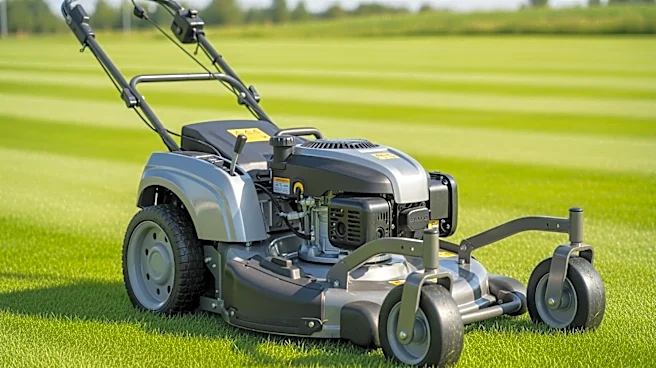
For larger lawns, riding mowers are a practical choice. These mowers resemble small tractors and allow the operator to sit while mowing, making them suitable for extensive areas. Riding mowers are available in various models, including zero-turn mowers, which offer high speed and maneuverability, making them ideal for commercial use.
Commercial mowers are designed for large-scale grass-cutting tasks, such as those required by universities, sports stadiums, and local authorities. These mowers often feature multiple blades and are mounted on tractors, allowing them to cover wide areas quickly and efficiently. Commercial mowers are built for durability and performance, making them a valuable investment for professional landscapers.
Robotic and Specialty Mowers
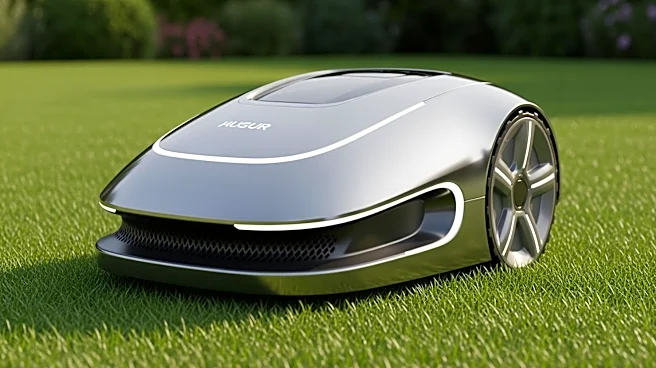
Robotic lawn mowers represent the latest advancement in lawn care technology. These autonomous machines are designed to operate with minimal human intervention, using sensors and boundary wires to navigate lawns. Robotic mowers are capable of maintaining large areas of grass, making them a convenient option for modern homeowners seeking a low-maintenance solution.
Specialty mowers, such as hover mowers and flail mowers, are designed for specific tasks. Hover mowers use an air cushion to glide over the grass, making them ideal for steep slopes and uneven terrain. Flail mowers, on the other hand, are equipped with chains and blades to cut through thick brush and rough vegetation, making them suitable for challenging landscapes.
With so many options available, selecting the right lawn mower depends on the size and type of lawn you have, as well as your specific needs and preferences. Understanding the different types of mowers can help you make an informed decision, ensuring your lawn remains healthy and well-maintained.