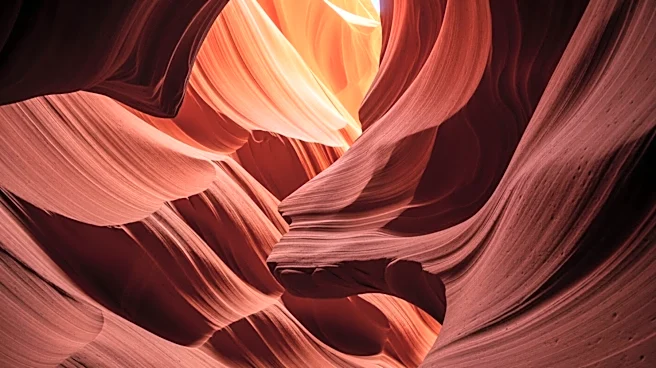









Antelope Canyon, located in the southwestern United States, is a geological marvel that attracts visitors from around the world. Situated on Navajo land near Page, Arizona, this slot canyon is renowned for its stunning formations and unique features. The canyon is divided into two sections: Upper Antelope Canyon and Lower Antelope Canyon, each offering a distinct geological experience.
Formation and Structure
Antelope Canyon was formed through the process of water erosion
over thousands of years. The canyon's narrow passageways and smooth, flowing lines are a testament to the power of nature. The Upper Antelope Canyon, known as "The Crack," is characterized by its ease of access and stunning light beams that penetrate the narrow openings. These beams create mesmerizing displays of light and shadow on the sandstone walls, adding to the canyon's allure.
Lower Antelope Canyon, referred to as "The Corkscrew," is longer and more challenging to navigate. Its narrow passageways and spiral rock formations create a unique and captivating environment. The canyon's name, Hazdistazí, meaning "arches of spiral rock," perfectly describes the intricate patterns found within its walls. The geological features of both sections are a result of the natural forces that have shaped the landscape over time.
Erosion and Natural Processes
The formation of Antelope Canyon is a result of water erosion, which has carved the sandstone into the stunning slot canyons we see today. The process begins with rainwater flowing into the canyon basin, gradually wearing away the rock and creating the narrow passageways. This erosion is responsible for the smooth, flowing lines and intricate patterns found within the canyon walls.
Flash floods are a common occurrence in slot canyons, including Antelope Canyon. These floods can be caused by distant rainstorms, and they play a significant role in shaping the canyon's features. The sudden influx of water can change the landscape dramatically, adding to the canyon's dynamic nature.
Geological Significance
Antelope Canyon is part of the Lake Powell Navajo Tribal Park, which includes other geological wonders such as the Rainbow Bridge National Monument. The park is a testament to the natural beauty and geological significance of the region. The canyon's unique formations and stunning landscapes make it a must-visit destination for anyone interested in geology.
Whether you're a seasoned geologist or a curious traveler, Antelope Canyon offers an unforgettable experience. Its geological wonders and natural beauty continue to captivate visitors, showcasing the power and artistry of nature.