




Kettlebell training has a rich history that spans centuries, evolving from a simple tool for weighing crops to a staple in modern fitness routines. This article delves into the historical journey of the kettlebell, highlighting its transformation and growing popularity in strength training and sports. From its origins in Russia to its global influence today, the kettlebell has become an essential piece of equipment for those seeking a comprehensive
workout.
Origins and Early Use
The kettlebell, known as the "girya" in Russian, has its roots in the 18th century. Initially, it was a type of metal weight used primarily for weighing crops. This practical use soon found its way into the realm of physical strength, as circus strongmen in the 19th century began incorporating kettlebells into their performances. These early adopters recognized the potential of the kettlebell for building strength and endurance, setting the stage for its future in competitive athletics.
By the late 19th century, kettlebells had gained popularity in Russia and Europe as a tool for recreational and competitive strength athletics. The formalization of kettlebell lifting as a sport, known as "girevoy sport," can be traced back to 1885 with the founding of the "Circle for Amateur Athletics." This marked the beginning of organized kettlebell competitions, which would continue to grow in popularity over the years.
Modern Kettlebell Training
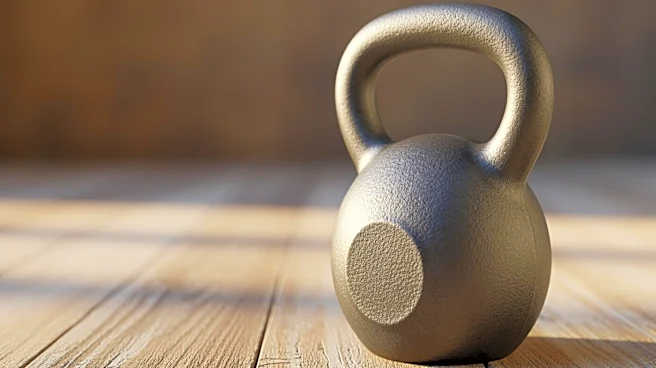
The 20th century saw the kettlebell's transition from a niche tool to a mainstream fitness staple. The English term "kettlebell" began to be used in the early 20th century, reflecting its growing recognition outside of Russia. The unique design of the kettlebell, with its handle and off-center weight distribution, allows for a variety of dynamic exercises that engage multiple muscle groups simultaneously.
Kettlebell exercises are known for their ability to build strength, endurance, and mobility. The basic movements, such as the swing, snatch, and clean and jerk, engage the entire body and mimic real-world activities. This holistic approach to fitness has contributed to the kettlebell's enduring popularity, as it offers a comprehensive workout that combines cardiovascular and strength training.
Global Influence and Competitive Sport
Today, kettlebell training is a global phenomenon, with competitions held worldwide. The sport of kettlebell lifting consists of three main lifts: the snatch, jerk, and long cycle. These lifts are performed for maximum repetitions within a set time, showcasing the athlete's strength and endurance.
International organizations, such as the International Union of Kettlebell Lifting, oversee the sport and promote its growth. The kettlebell's influence extends beyond competitive lifting, as it is widely used in various fitness programs and disciplines, including CrossFit and martial arts training. Its versatility and effectiveness have solidified its place in the fitness world, making it a valuable tool for athletes and fitness enthusiasts alike.