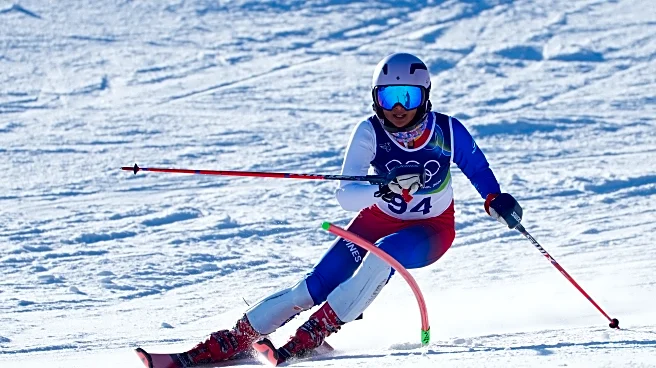

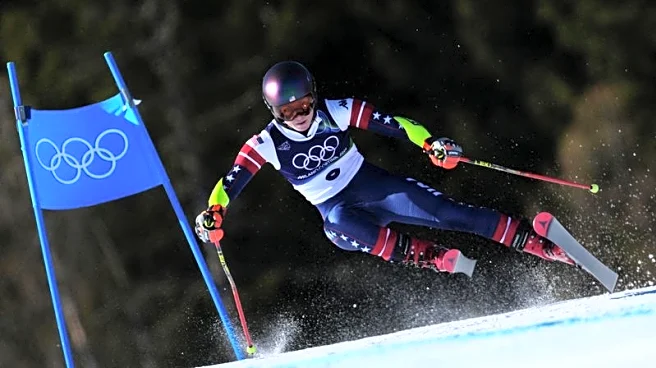
Alpine skiing was a major attraction at the 1960 Winter Olympics, held in Squaw Valley, California. The events took place from February 20 to 26, featuring six competitions that tested the skills and endurance of the world's best skiers. The 1960 games were particularly notable for being the last time race result times were recorded in tenths of a second, a practice that would change in subsequent Olympics.
The Events and Venues
The alpine skiing events at the 1960 Winter
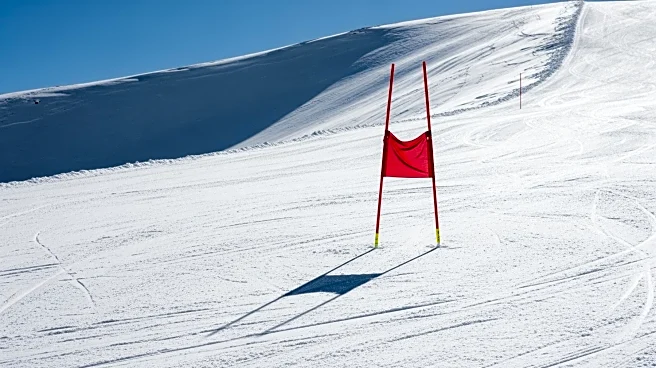
Olympics were held at various locations within Squaw Valley. The men's downhill took place at Squaw Peak, while the women's downhill, men's slalom, and giant slalom were held at KT-22. Papoose Peak hosted the women's slalom and giant slalom. These venues provided challenging courses that pushed athletes to their limits. The competition included downhill, giant slalom, and slalom events for both men and women, showcasing a range of skiing techniques and strategies.
Medal Winners and Highlights
The alpine skiing events saw fierce competition among the participating nations. Switzerland led the medal table with two gold medals, while Austria won the most total medals, securing one gold, two silver, and two bronze. Austria's Ernst Hinterseer was a standout performer, winning a gold and a bronze medal. On the women's side, Penny Pitou of the United States captured two silver medals, narrowly missing gold in the giant slalom by just a tenth of a second. These performances highlighted the high level of competition and the narrow margins that often separate victory from defeat in alpine skiing.
The Evolution of Timing
The 1960 Winter Olympics marked the end of an era in alpine skiing, as it was the last time race result times were recorded in tenths of a second. This method of timing had been standard practice, but the need for greater precision led to a change in the 1964 Winter Olympics, where times were recorded in hundredths of a second. This evolution in timing technology reflected the growing sophistication of the sport and the desire for more accurate measurements of athletes' performances.
Alpine skiing at the 1960 Winter Olympics was a showcase of athletic prowess and competitive spirit. The events not only highlighted the talents of individual skiers but also underscored the importance of precision and timing in the sport. The legacy of these games continues to influence alpine skiing competitions today, as athletes strive for excellence on the world stage.