

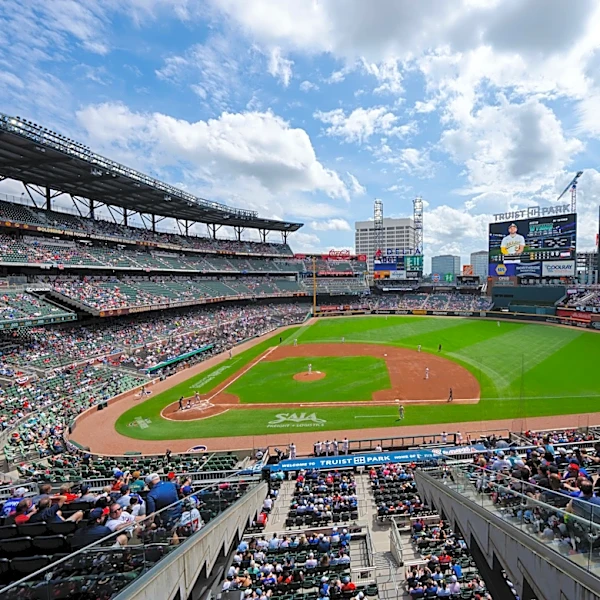






Dodger Stadium, located in Los Angeles, California, has been the home of the Los Angeles Dodgers since 1962. Its construction marked a significant moment in the history of Major League Baseball, as it was built on the site of Chavez Ravine, a location with a complex past. This article explores the historical development of Dodger Stadium, from its controversial beginnings to its status as a modern baseball landmark.
The Early Years and Controversy
The story of Dodger Stadium begins
with the relocation of the Brooklyn Dodgers to Los Angeles in 1958. The decision to move the team was driven by the need for a new, state-of-the-art stadium, as Ebbets Field in Brooklyn was becoming outdated. The choice of Chavez Ravine as the site for the new stadium was controversial, as it involved the displacement of a predominantly Mexican-American community. The land was initially acquired by the City of Los Angeles through eminent domain for a public housing project, which was later abandoned.
The decision to build Dodger Stadium at Chavez Ravine was met with resistance from the local community. The "Battle of Chavez Ravine" refers to the decade-long struggle of the residents who were forcibly removed from their homes. Despite the controversy, the city proceeded with the construction, and Dodger Stadium officially opened in 1962. The stadium's construction was funded privately, and it remains privately owned to this day.
Architectural Design and Features
Dodger Stadium was designed with a modern architectural style, featuring clean lines and a picturesque setting amid the hills of Los Angeles. The stadium's design was innovative for its time, with cantilevered grandstands that ensured there were no obstructed views. This design choice has been widely imitated in other stadiums built since then.
The stadium's spacious dimensions were intended to favor defense over offense, which influenced the Dodgers' strategy of building a team with strong pitching. Over the years, Dodger Stadium has undergone several renovations to maintain its status as a premier baseball venue. Despite these changes, the stadium has retained its original charm and continues to be a beloved landmark for baseball fans.
Dodger Stadium Today
Today, Dodger Stadium is one of the oldest ballparks in Major League Baseball, yet it remains one of the most highly regarded. With a seating capacity of 56,000, it is the largest baseball stadium in the United States. The stadium has hosted numerous memorable events, including World Series games and the 1984 Summer Olympics.
Dodger Stadium's history is a testament to its resilience and enduring appeal. Despite its controversial beginnings, it has become an iconic symbol of Los Angeles and a cherished home for the Dodgers. As the team continues to make history on the field, Dodger Stadium remains a vital part of the city's cultural and sporting landscape.