

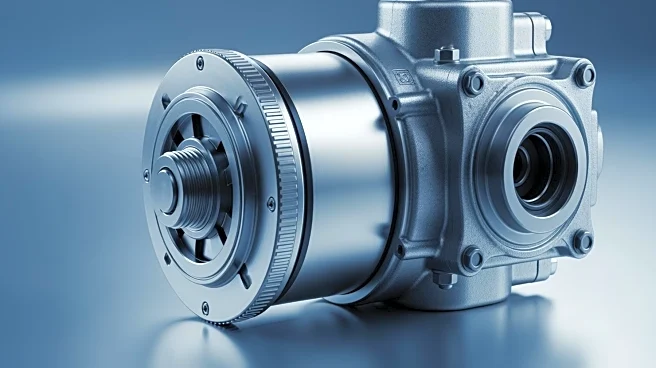
Electronic Diesel Control (EDC) systems have become a cornerstone of modern diesel engine technology, providing precise control over fuel injection and engine performance. By replacing mechanical governors with electronic control units, EDC systems have transformed the way diesel engines operate, offering improved efficiency, reduced emissions, and enhanced performance. This article examines the role of EDC systems in modern engines, highlighting
their key components and benefits.
Components and Functionality of EDC Systems
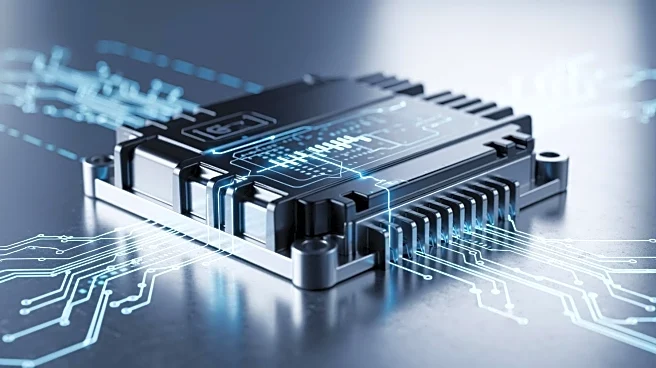
At the heart of an EDC system is the Electronic Control Unit (ECU), which processes information from various sensors to control fuel injection and other engine functions. These sensors monitor a range of parameters, including engine speed, fuel pressure, and temperature, providing real-time data to the ECU. The ECU uses this information to adjust fuel delivery, ensuring optimal engine performance under varying conditions.
EDC systems also include actuators and solenoids, which convert the ECU's electrical signals into mechanical actions. These components control the movement of the fuel rack and other engine parts, allowing for precise regulation of fuel injection. By integrating these elements, EDC systems offer a level of control and flexibility that was previously unattainable with mechanical systems.
Benefits of Electronic Diesel Control
One of the primary benefits of EDC systems is their ability to enhance engine efficiency and reduce emissions. By precisely controlling fuel injection, EDC systems ensure that the engine operates at its optimal performance level, minimizing fuel consumption and emissions. This is particularly important in meeting stringent environmental regulations and improving overall fuel economy.
EDC systems also offer improved engine performance, with faster response times and smoother operation. The ability to adjust fuel delivery in real-time allows for better acceleration and power output, enhancing the driving experience. Additionally, EDC systems provide advanced diagnostic capabilities, enabling quick identification and resolution of engine issues.
The Future of EDC Technology
As diesel engine technology continues to evolve, EDC systems are expected to play an increasingly important role in enhancing engine performance and efficiency. Ongoing advancements in sensor technology and data processing are likely to further improve the capabilities of EDC systems, offering even greater precision and control.
In conclusion, Electronic Diesel Control systems have revolutionized diesel engine technology, providing a level of precision and efficiency that was previously unattainable. By integrating advanced sensors and control units, EDC systems have become an essential component of modern diesel engines, driving improvements in performance, efficiency, and emissions.