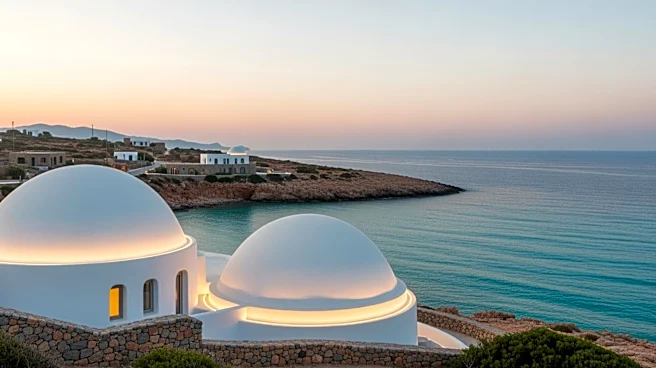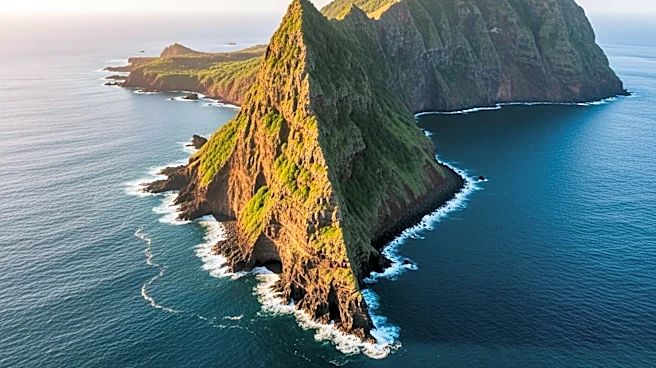

The Canary Islands, an archipelago off the northwest coast of Africa, are renowned for their stunning landscapes and diverse climates. This article explores the geographical features that make the Canary Islands a unique
destination, highlighting their volcanic origins, varied climates, and natural beauty.
Volcanic Origins and Island Formation
The Canary Islands are volcanic in origin, formed by the Canary hotspot. This geological activity has given rise to the archipelago's dramatic landscapes, characterized by steep ocean cliffs and rugged terrain. The islands are part of the Macaronesia ecoregion, which includes the Azores, Cape Verde, Madeira, and the Savage Isles.
Each of the seven major islands, along with several smaller islets, showcases unique geological features. For instance, Mount Teide on Tenerife is the highest peak in Spain and the third tallest volcano in the world when measured from its base on the ocean floor. The islands' volcanic history is still evident today, with some volcanoes remaining active.
Diverse Climates and Microclimates
The Canary Islands are known for their diverse climates, influenced by their position relative to the northeast trade winds. The climate can range from mild and wet to very dry, depending on the location and elevation. This variation creates distinct microclimates across the islands.
Islands like El Hierro, La Palma, and La Gomera, located to the west, experience a climate influenced by the moist Canary Current, resulting in lush vegetation and extensive laurisilva forests. In contrast, the eastern islands of Fuerteventura and Lanzarote are more arid, resembling desert or semi-desert environments.
Natural Beauty and Biodiversity
The Canary Islands boast a rich biodiversity, with many endemic species of plants and animals. The islands' high mountains provide ideal conditions for astronomical observation, with two professional observatories located on Tenerife and La Palma.
The islands' natural beauty is further enhanced by their beaches, subtropical climate, and important natural attractions. Maspalomas in Gran Canaria and Mount Teide in Tenerife are popular tourist destinations, drawing millions of visitors each year.
The Canary Islands' unique geography and climate make them a fascinating subject of study and a popular destination for travelers. From their volcanic origins to their diverse ecosystems, the islands offer a glimpse into the dynamic processes that shape our planet.