


Procedural memory is a fascinating aspect of our cognitive abilities, allowing us to perform tasks without conscious thought. This type of implicit memory is crucial for both motor and cognitive skills, enabling us to tie our shoes, read, or even fly an airplane without actively thinking about each step involved. Procedural memory is developed through repetition and is a key component of long-term memory, residing below the level of conscious awareness.
The Nature of Procedural Memory
Procedural memory is a form of implicit memory, meaning it operates unconsciously. Unlike declarative memory, which involves the conscious recall of facts and events, procedural memory allows us to perform tasks automatically. This type of memory is essential for executing integrated procedures involved in both cognitive and motor skills. For instance, when you tie your shoes, you don't consciously recall each step; instead, your procedural memory guides the process seamlessly.
The creation of procedural memory occurs through procedural learning, which involves repeating a complex activity until the relevant neural systems work together to produce the activity automatically. This learning is vital for developing any motor skill or cognitive activity, as it allows the brain to link environmental cues with appropriate responses, improving skill usage over time.
Historical Insights into Procedural Memory
The concept of procedural memory has evolved significantly over the years. Early discussions about memory systems often overlooked the influence of learning, limiting research into procedural learning until the 20th century. The distinction between procedural and declarative memory systems became clearer with studies on amnesic patients, such as Henry Molaison, who demonstrated the ability to learn new skills despite severe amnesia.
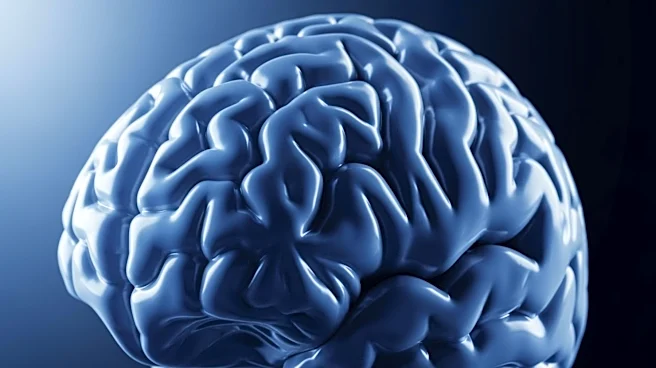
Research in the 1980s further identified the cerebellum, hippocampus, neostriatum, and basal ganglia as key structures involved in procedural memory acquisition, storage, and retrieval. These findings highlighted the complexity of memory systems and the specialized roles of different brain regions in supporting procedural memory.
The Role of Procedural Memory in Skill Acquisition
Skill acquisition through procedural memory requires practice and experience. The process involves several stages, including the cognitive phase, where individuals understand the components of a skill, and the associative phase, where repeated practice leads to learned patterns of responding. Finally, the autonomous phase involves perfecting the skill, allowing for quick discrimination between important and unimportant stimuli.
Alternative models, such as the predictive cycle, suggest that skill acquisition does not require conscious understanding of a skill's components. Instead, learners focus on the desired result, making repeated attempts until the neural network guides the activity accurately without conscious thought. This approach has been applied successfully in areas like reading remediation, demonstrating the adaptability and power of procedural memory in skill development.