






SpaceX Crew-4 marked a significant milestone in NASA's Commercial Crew Program, launching on April 27, 2022. This mission was the fourth operational flight of the Crew Dragon spacecraft, named Freedom, and it carried four astronauts to the International Space Station (ISS). The mission was notable for its duration and the use of a previously flown booster, showcasing the advancements in reusable space technology.
Launch and Docking
The SpaceX Crew-4 mission began its
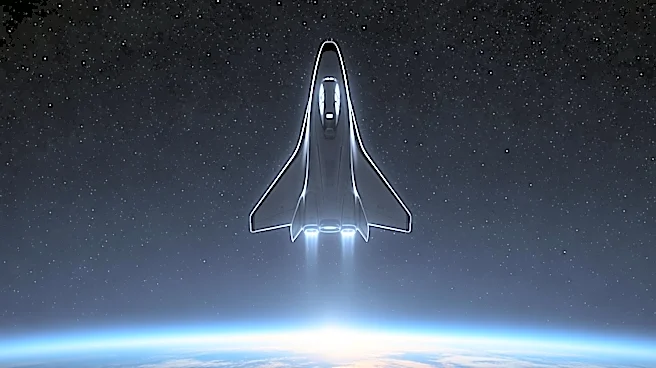
journey on April 27, 2022, at 07:52 UTC. The launch took place from Kennedy Space Center's Launch Complex 39A, a site with a rich history of space exploration. The spacecraft, Crew Dragon Freedom, was propelled into space by a Falcon 9 rocket, specifically the B1067 booster. This booster had been used in previous missions, including SpaceX Crew-3, making Crew-4 the first Commercial Crew mission to utilize a booster on its fourth flight.
After a successful launch, the spacecraft made its way to the International Space Station. The docking occurred on the same day at 23:37 UTC, marking the beginning of the crew's 170-day stay aboard the ISS. This mission followed closely after the private Axiom 1 mission, which also used SpaceX hardware, highlighting the company's growing role in both commercial and governmental space missions.
The Crew and Their Mission
The Crew-4 mission was composed of four astronauts: three from NASA and one from the European Space Agency (ESA). NASA astronauts Kjell Lindgren and Robert Hines were announced as part of the crew in early 2021, with Jessica Watkins joining later as a mission specialist. Samantha Cristoforetti, an ESA astronaut, was initially named the commander of Expedition 68 but was later removed from this role due to the mission's shortened duration.
The mission was not only a testament to international collaboration but also a demonstration of the capabilities of the Crew Dragon spacecraft. The spacecraft, named Freedom by the crew, was chosen to symbolize the fundamental human right and the spirit of innovation. This mission was Cristoforetti's second trip to the ISS, and the European segment of the mission was called Minerva, named after the Roman goddess of wisdom.
Return and Legacy
After spending 170 days in space, the Crew-4 mission concluded with the spacecraft's return to Earth. The mission's duration and the use of a reusable booster underscored the advancements in space travel technology. The Crew Dragon Freedom, with its launch mass of 12,519 kg and landing mass of 9,616 kg, demonstrated the efficiency and reliability of SpaceX's spacecraft design.
The success of SpaceX Crew-4 further solidified SpaceX's role as a key player in the future of space exploration. By providing reliable transportation to and from the ISS, SpaceX continues to support NASA's goals of maintaining a continuous human presence in space and advancing scientific research aboard the ISS.