



While traditional baby walkers have been popular for helping infants gain mobility, they come with significant safety concerns. As a result, parents and caregivers are increasingly turning to safer alternatives that offer similar benefits without the associated risks. These alternatives focus on providing support and encouragement for infants learning to walk.
Parent-Assisted Walkers
One of the most notable alternatives to traditional baby walkers is the parent-assisted walker.
Unlike traditional walkers, these devices do not have wheels and require full parent assistance during use. The design is similar to leading strings, where the child is suspended upright from straps while learning to walk.
Parent-assisted walkers offer a safer method for teaching a child to walk, as they eliminate the risk of the child moving unattended. This design allows parents to maintain control over their child's movements, reducing the likelihood of accidents. Additionally, these walkers encourage parent-child interaction, which can be beneficial for the child's development.
Push Toys and Stationary Activity Centers
Push toys and stationary activity centers are other popular alternatives to traditional baby walkers. Push toys are designed for toddlers to stand behind and push while walking, providing support and stability. These toys help develop balance and coordination without the risks associated with wheeled walkers.
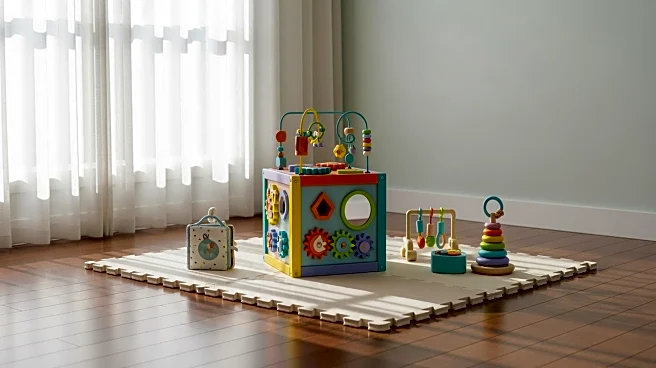
Stationary activity centers, on the other hand, provide a safe space for infants to play and explore. These centers often include interactive elements that stimulate a child's senses and encourage motor skill development. Since they do not allow for movement across the floor, they eliminate the risk of falls and other accidents.
Benefits of Alternatives
The primary benefit of these alternatives is the increased safety they offer compared to traditional baby walkers. By eliminating the risk of falls and other accidents, parents can feel more confident in their child's safety while they learn to walk.
Additionally, these alternatives often promote more natural development. Parent-assisted walkers and push toys encourage infants to develop balance and coordination at their own pace, without the artificial support of a wheeled device. This approach can lead to more confident and independent walking skills.
As awareness of the risks associated with traditional baby walkers grows, the demand for safer alternatives continues to rise. By choosing these alternatives, parents can provide their children with a safe and supportive environment for learning to walk, fostering healthy development and reducing the risk of injury.