




Traveling carnivals have been a staple of American entertainment for over a century, offering a unique blend of thrill rides, games, and sideshows. These mobile amusement parks have evolved significantly since their inception, adapting to changing tastes and technologies while maintaining their core appeal. This article explores the historical development of traveling carnivals in the United States, highlighting key milestones and transformations.
Early Beginnings and Influences
The roots of traveling carnivals in America can be traced back to the late 19th century, with the Chicago World's Fair in 1893 serving as a pivotal moment. This event featured a variety of attractions, including rides, games of chance, and freak shows, setting the stage for the modern traveling carnival. Inspired by the success of the fair, entrepreneurs began to organize similar events, taking them on the road to reach audiences across the country.
Initially, these carnivals were small and often faced skepticism due to their association with dishonest practices. However, they quickly gained popularity by offering a diverse array of entertainment options. The early carnivals were heavily influenced by the circus, sharing the nomadic lifestyle and the use of tents and temporary setups. This allowed them to bring entertainment to rural and urban areas alike, providing a much-needed escape from everyday life.
Growth and Expansion
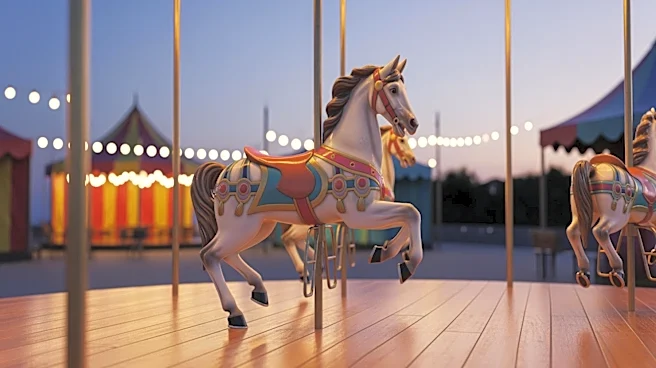
As the 20th century progressed, traveling carnivals expanded in size and scope. By the early 1900s, there were dozens of carnivals touring the United States, each offering a unique mix of attractions. The introduction of mechanical rides, such as carousels and Ferris wheels, revolutionized the carnival experience, drawing larger crowds and increasing profitability.
Carnivals began to form partnerships with local governments, securing contracts to operate at state and county fairs. This collaboration provided a stable source of income and allowed carnivals to reach a wider audience. The mid-20th century saw the rise of large carnival operators, who managed multiple units and could host events in different locations simultaneously. This period of growth solidified the carnival's place in American culture, making it a beloved tradition for many families.
Modern-Day Carnivals
Today, traveling carnivals continue to thrive, adapting to modern tastes and technologies. While the core elements of rides, games, and food remain, contemporary carnivals often incorporate new attractions, such as virtual reality experiences and high-tech thrill rides. Safety regulations have also become more stringent, ensuring that rides are regularly inspected and maintained.
Despite these changes, the essence of the traveling carnival remains the same: providing a fun and exciting escape for people of all ages. As they continue to evolve, traveling carnivals will likely remain a cherished part of American entertainment, offering a nostalgic glimpse into the past while embracing the future.