
Reykjavik, the capital of Iceland, is not only known for its cultural and historical significance but also for its unique geographic and climatic features. Located in the southwest of Iceland, Reykjavik's
landscape and climate play a crucial role in shaping the city's character and lifestyle. This article delves into the geographic and climatic aspects of Reykjavik, exploring how they influence the city and its inhabitants.
Geographic Landscape
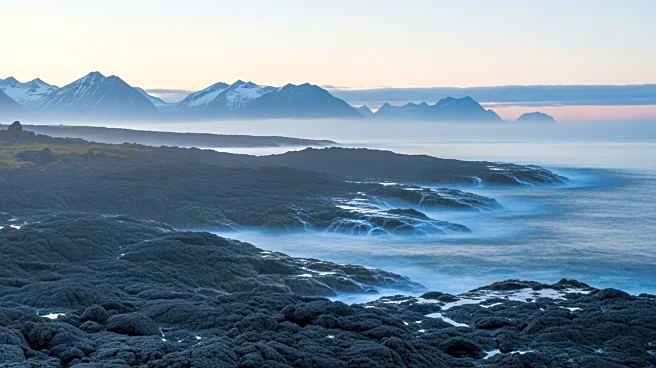
Reykjavik is situated on the southern shore of the Faxaflói bay, characterized by a coastline of peninsulas, coves, straits, and islands. The city's location at a latitude of 64°08' N makes it the world's northernmost capital of a sovereign state. The surrounding landscape includes the mountain range Esja to the north, which adds to the city's scenic beauty.
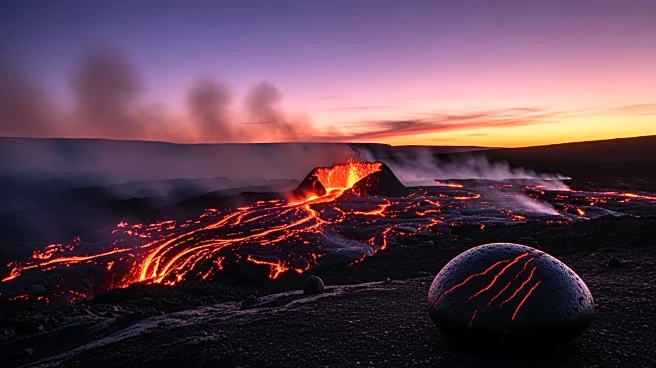
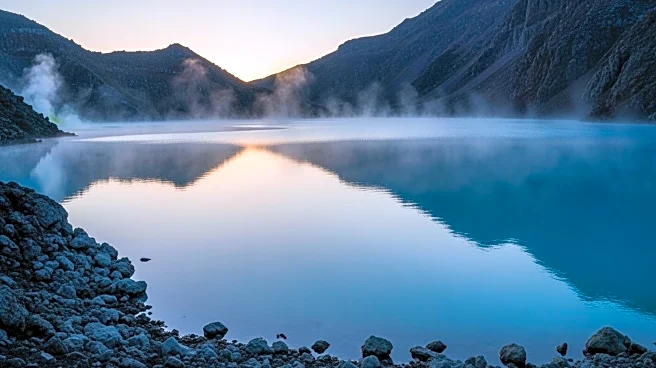
During the Ice Age, a large glacier covered parts of the city area, shaping the land as it retreated. The hills of Öskjuhlíð and Skólavörðuholt are remnants of former shield volcanoes, contributing to Reykjavik's volcanic landscape. The capital city area continues to be influenced by geological activity, including earthquakes and volcanic eruptions.
Climatic Conditions
Reykjavik experiences a subpolar oceanic climate, characterized by extremes of day and night length throughout the year. From late May to late July, daylight is nearly continuous, while in December and January, daylight is limited to less than five hours. Despite its northern latitude, Reykjavik's winters are relatively mild, with temperatures rarely dropping below -15 °C.
The city's coastal location exposes it to maritime winds, resulting in cool summers and frequent winter gales. Reykjavik averages 147 days of rain per year, with droughts being uncommon. The city's climate is influenced by the North Atlantic Current, which moderates temperatures and contributes to the mild winter conditions.
Impact on Lifestyle and Environment
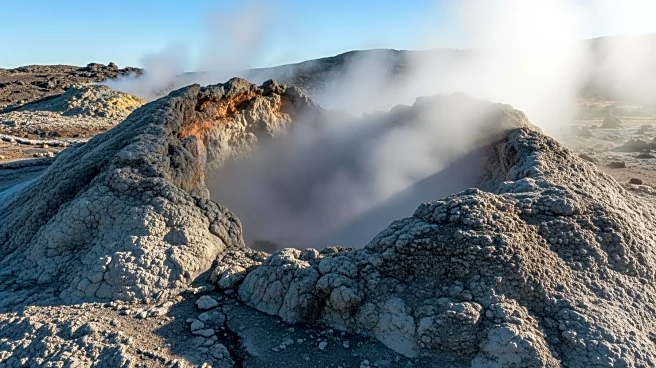
Reykjavik's geographic and climatic features have a significant impact on the lifestyle of its residents. The long summer days and mild winters allow for a variety of outdoor activities, including hiking, fishing, and exploring the natural landscape. The city's environmental policies emphasize sustainability, with geothermal energy being a key resource for heating and electricity.
The unique climate also affects the city's architecture and urban planning, with buildings designed to withstand the harsh weather conditions. Reykjavik's commitment to environmental friendliness is evident in its clean and safe urban environment, making it a desirable place to live and visit.
Reykjavik's geographic and climatic characteristics are integral to its identity, influencing everything from daily life to environmental policies. The city's ability to adapt to its natural surroundings is a testament to its resilience and innovation.