





The Earthly Branches are a set of twelve symbols that have played a pivotal role in Chinese cosmology and timekeeping. These symbols, indigenous to China, are represented by Chinese characters and are used in conjunction with the Heavenly Stems to form the sexagenary cycle. This cycle is a cornerstone of Chinese calendars and astrology, reflecting the sophisticated cosmological understanding developed over centuries.
Origins and Theories
The Earthly Branches have a long
history, with their use dating back to the Shang dynasty. The earliest records show their application in recording cycles of days, alongside the Heavenly Stems. Archaeological evidence suggests that the Earthly Branches may be older than the Stems, indicating their foundational role in early Chinese timekeeping.
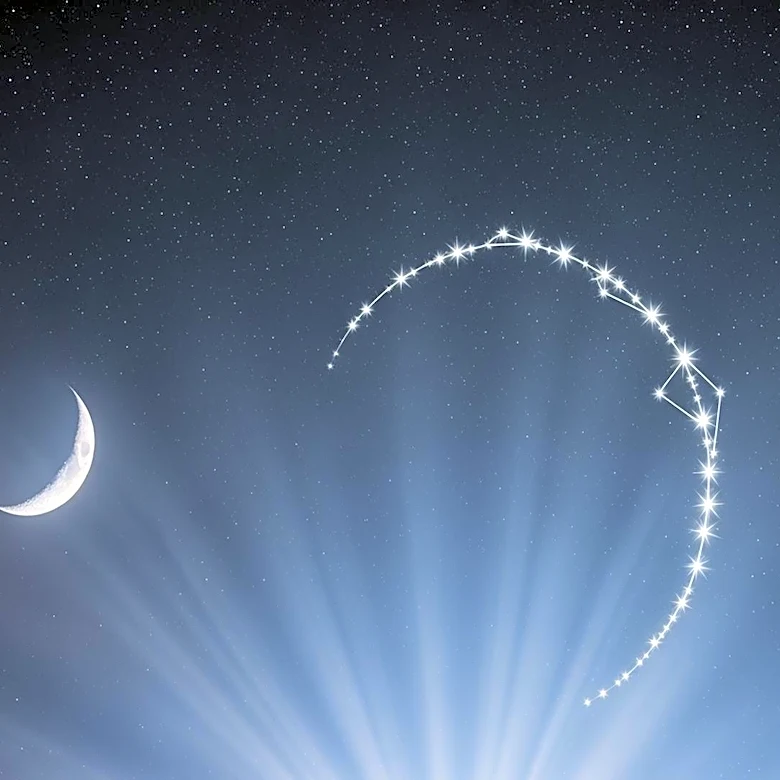
Several theories exist regarding the origin of the Earthly Branches. One theory posits that they were adapted from observations of Jupiter, known as the 'Year Star,' due to its twelve-year orbital period. Another theory by Jonathan Smith suggests that the branches initially represented phases of the moon, later repurposed for Jupiter stations as the calendar evolved.
Integration into Chinese Cosmology
During the Warring States period, Chinese cosmology became increasingly sophisticated, and the Earthly Branches were integrated into broader cosmological systems. The 12-, 10-, and 60-cycles began to be applied to units of time beyond days, reflecting a deeper understanding of temporal cycles and their influence on human affairs.
The Earthly Branches are associated with the Five Elements (Wood, Fire, Earth, Metal, Water) and Yin-Yang theory, forming a complex framework for interpreting time and events. This integration into cosmology allowed the branches to be used in various cultural applications, including astrology and Taoist practices.
Cultural and Astrological Applications
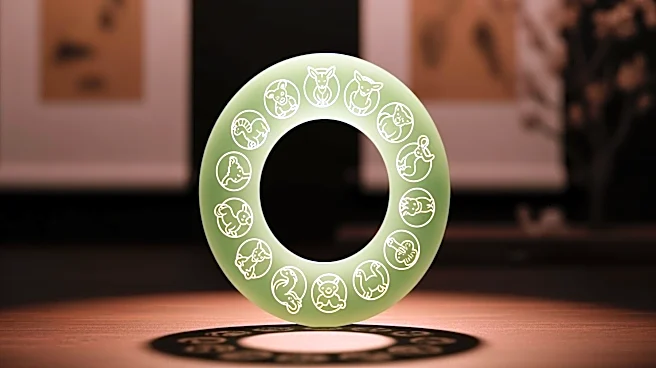
The Earthly Branches are central to the Chinese zodiac, which assigns an animal to each year in the sexagenary cycle. This zodiac is not only a tool for timekeeping but also a cultural symbol that influences personality traits and compatibility in relationships. The branches are used to determine auspicious dates and times for activities such as weddings and business ventures.
In addition to astrology, the Earthly Branches are used in Taoist practices and Chinese calendars. They help determine the start of the new year, often beginning on the second new moon after the winter solstice. The branches also play a role in traditional Chinese medicine, where they are used to diagnose and treat illnesses based on the balance of elements.
The Earthly Branches are a testament to the rich cultural heritage of China, showcasing the intricate relationship between cosmology, timekeeping, and philosophy. Their continued use in modern times highlights their enduring significance and the deep-rooted traditions they represent.