




Pressure washing, also known as power washing, is a cleaning method that utilizes high-pressure water spray to remove dirt, grime, mold, and loose paint from various surfaces. This technique is widely used for cleaning buildings, vehicles, and concrete surfaces, among others. The equipment used in pressure washing is designed to deliver water at varying pressures, which can be adjusted using specialized nozzle tips or by modifying the unloader valve.
Understanding Pressure Washer Equipment
Pressure washers are equipped with pumps that determine the volume and pressure of the water spray. The volume is typically expressed in gallons or liters per minute, and this is often a fixed feature of the pump. However, the pressure, measured in pounds per square inch (psi), pascals, or bar, can be adjusted to suit different cleaning needs. Machines are available that produce pressures ranging from 750 to 30,000 psi, allowing for a wide range of applications.
There are two main types of pressure washers: hot water and cold water machines. Hot water pressure washers are particularly effective for cleaning surfaces with grease or oil residue, such as parking garages and gas stations. These machines use a burner unit to heat the water, which helps emulsify and remove stubborn residues. Cold water pressure washers are more commonly used for residential cleaning tasks, such as washing siding, gutters, roofs, decks, and windows.
The Role of Nozzles in Pressure Washing
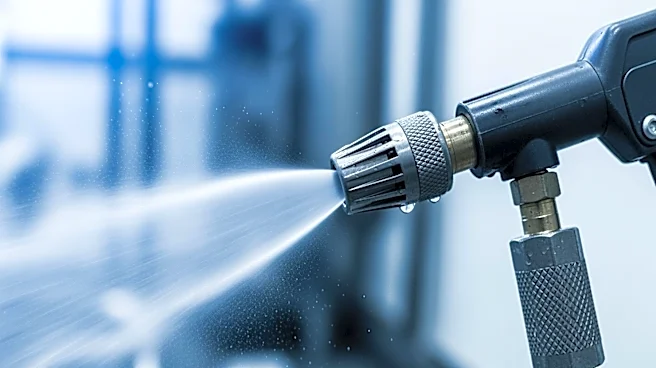
Nozzles play a crucial role in pressure washing by altering the direction and velocity of the water flow. They allow users to reach greater distances or apply more pressure to challenging surfaces. Nozzles are color-coded for easy identification, with black nozzles providing the widest spray angle and red nozzles offering the narrowest. Care must be taken when using a 0° nozzle, as it can cause injury or damage surfaces due to its concentrated pressure.
Nozzles are sized based on the machine's flow rate and delivery pressure, ensuring compatibility and optimal performance. The choice of nozzle can significantly impact the effectiveness of the cleaning process, making it an essential component of pressure washing equipment.
Advanced Pressure Washing Techniques
High-pressure water jetting, also known as hydrojetting, is a variation of pressure washing that involves significantly higher pressures, up to 20,000 psi. This method is hazardous and requires special precautions for safety. Hydrojetting is used in industries like oil and gas production for cleaning tanks, pipes, and heat exchangers, offering advantages such as low fire and explosion hazards.
Surface cleaners are another advanced tool used in pressure washing. These devices consist of rotating bars with high-pressure jets, creating a uniform cleaning pattern that efficiently cleans flat surfaces. Larger models may have casters for easy movement, while smaller versions use plastic bristles to maintain clearance.
Pressure washing is a versatile and effective cleaning method, with equipment and techniques tailored to meet various needs. Understanding the mechanics and equipment involved is essential for achieving optimal results in different cleaning scenarios.