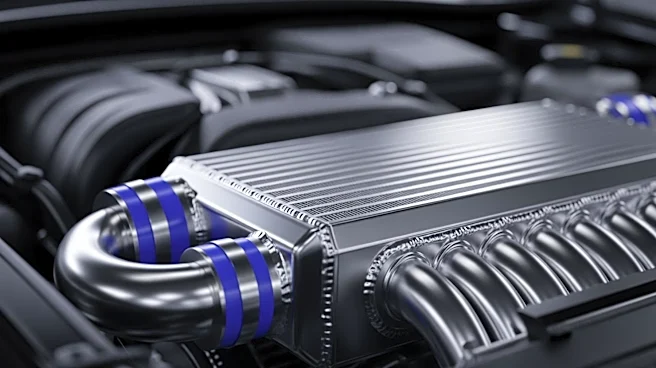




Ford's small-block V8 engines have been a testament to engineering innovation and design excellence. From their introduction in the early 1960s to their retirement in the early 2000s, these engines have incorporated numerous technical advancements that have set them apart in the automotive industry.
Design and Construction
The small-block V8 was designed with a focus on weight reduction and compactness. Utilizing thin-wall casting, the engine featured a short-skirt block that
did not extend below the centerline of the crankshaft. This design choice made the engine one of the lightest and most compact V8s of its era.
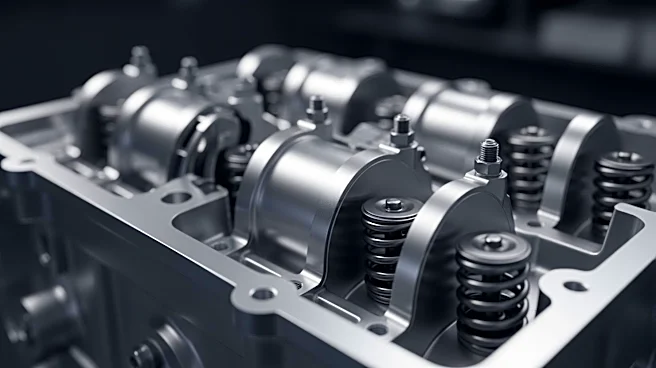
The engine's construction included a separate aluminum timing chain cover, differentiating it from later Ford engines that used integrated timing covers. The use of two-valve-per-cylinder heads with in-line valves and straight, six-bolt valve covers contributed to its efficient design.
Variants and Modifications
Throughout its production, the small-block V8 underwent several modifications to enhance performance and meet changing demands. The engine was initially offered with a displacement of 221 cubic inches, but it was soon bored and stroked to create variants like the 260, 289, and 302 cubic inch models.
The 351 Windsor, introduced in 1969, featured a taller deck height to accommodate a longer stroke, allowing for increased power output. This variant was equipped with larger main bearing caps and thicker connecting rods, showcasing Ford's commitment to durability and performance.
Performance Enhancements
Ford's small-block V8 engines were known for their adaptability and performance enhancements. The introduction of the "Boss 302" variant brought large-port, large-valve cylinder heads adapted from the 351 Cleveland design, allowing for high-revving capabilities and impressive power output.
The engine's design also included features like drilled oil squirt bosses to lubricate the piston pin and cylinder bore, enhancing reliability and performance. The use of forged-steel crankshafts and special HD connecting rods further demonstrated Ford's focus on creating a robust and high-performing engine.
Ford's small-block V8 engines have been a showcase of technical innovation and design excellence. Their legacy continues to influence modern engine design, highlighting the importance of engineering advancements in the pursuit of performance and reliability.