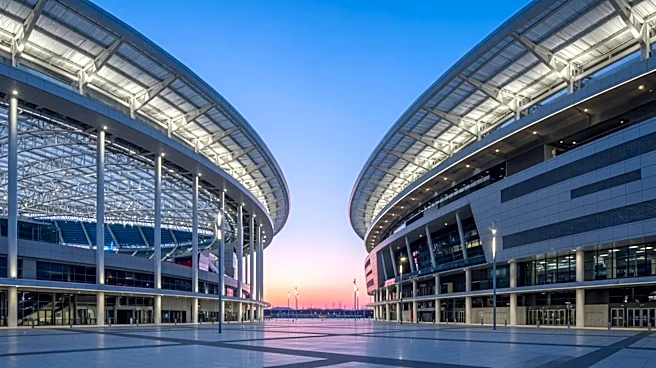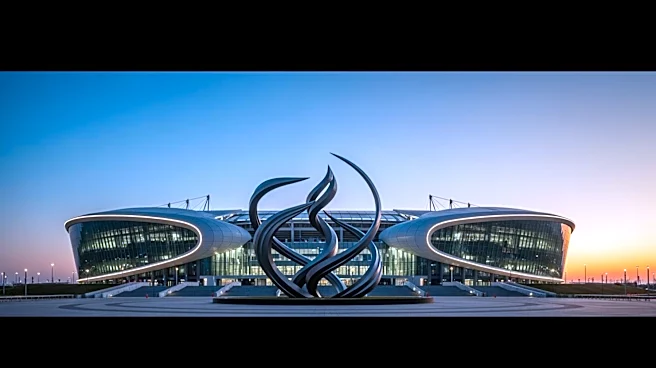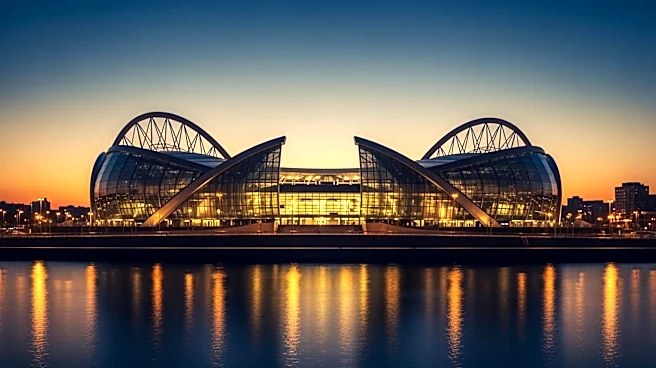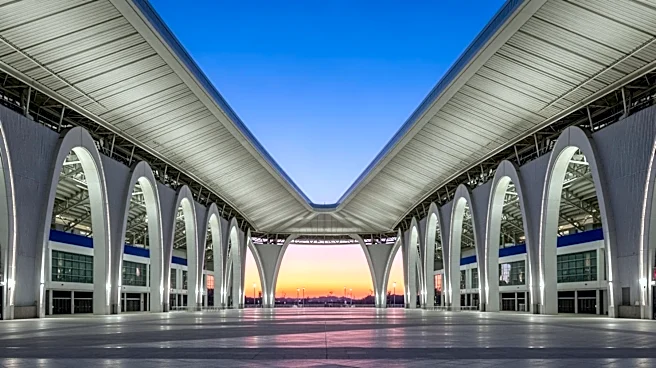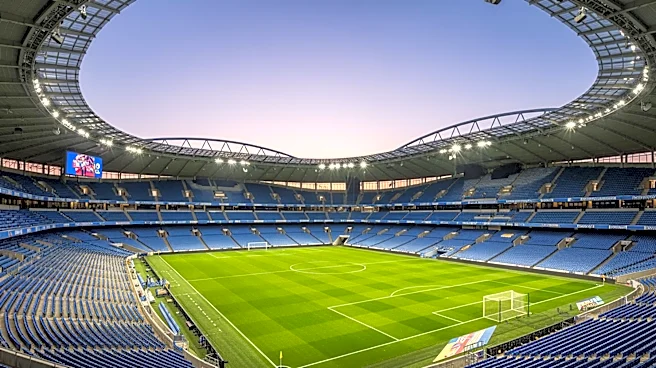



Luzhniki Stadium, located in Moscow, Russia, is a venue steeped in history and significance. As the largest football stadium in Russia, it has been the stage for numerous iconic events, including the 1980 Olympic Games and the 2018 FIFA World Cup. This article delves into the stadium's rich history and its role in hosting major international sports events.
The Birth of a Sporting Icon
Luzhniki Stadium was officially opened on July 31, 1956, as part of the Luzhniki Olympic Complex.
It was initially known as the Grand Arena of the Central Lenin Stadium. The construction of the stadium was a response to the Soviet Union's growing presence in international sports, particularly after their success in the 1952 Summer Olympics. The stadium was designed to meet modern international standards and serve as a training base for the Olympic team.
The stadium's location was carefully chosen for its proximity to the city center and its accessibility via major transport systems. Built on flood meadows in the bend of the Moskva River, the name Luzhniki translates roughly to "The Meadows." The construction involved significant engineering feats, including the installation of 10,000 piles to stabilize the waterlogged soil.
Hosting the 1980 Summer Olympics
Luzhniki Stadium gained international prominence as the main venue for the 1980 Summer Olympics. It hosted the opening and closing ceremonies, athletics events, and the football finals. At the time, the stadium could accommodate 103,000 spectators, making it one of the largest in the world.
The 1980 Olympics were marked by a significant political backdrop, with a U.S.-led boycott in response to the Soviet invasion of Afghanistan. Despite this, the games proceeded, and Luzhniki Stadium played a central role in showcasing the Soviet Union's organizational capabilities and athletic prowess.
A Modern Venue for the 2018 FIFA World Cup
In preparation for the 2018 FIFA World Cup, Luzhniki Stadium underwent extensive renovations. The original structure was demolished in 2013, but the historic facade was preserved due to its architectural value. The stadium was rebuilt with a new design that increased its capacity to 81,000 seats.
Luzhniki Stadium hosted seven matches during the World Cup, including the opening match and the final. The renovations included the installation of a hybrid turf and advanced security measures, making it a state-of-the-art venue. The stadium's successful hosting of the World Cup solidified its status as a premier location for international sports events.
Luzhniki Stadium's legacy as a historic and modern sports venue continues to grow, reflecting its importance in the world of international athletics and football.