




Vajrasana, also known as the Thunderbolt Pose or Diamond Pose, is a kneeling asana in hatha yoga and modern yoga practices. This pose is not only a staple in yoga routines but also holds historical significance as a meditation seat. In this article, we explore the Vajrasana pose, its variations, and some health considerations associated with its practice.
Understanding Vajrasana
The name Vajrasana is derived from the Sanskrit words "vajra," meaning thunderbolt or diamond,
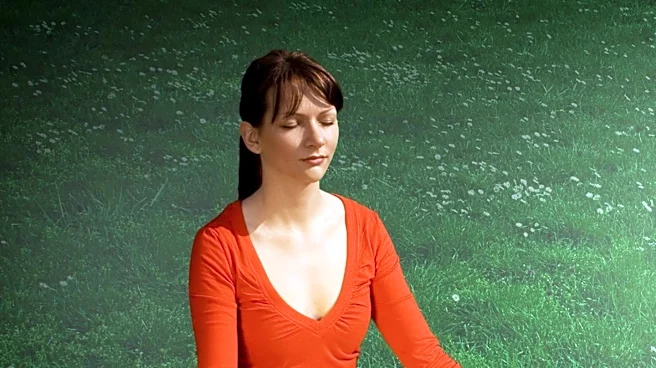
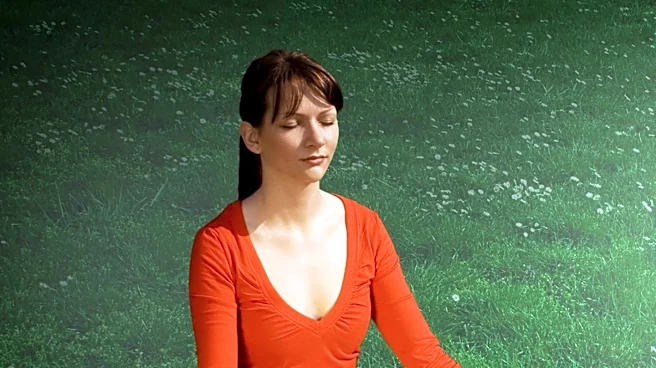
and "asana," meaning posture or seat. This pose is traditionally used for meditation and is known for its simplicity and effectiveness in promoting focus and calmness. In Vajrasana, the practitioner sits on their heels with the calves beneath the thighs, maintaining an erect posture.
The pose is often recommended for meditation as it helps in stabilizing the body and calming the mind. It is also believed to aid digestion when practiced after meals. Despite its simplicity, Vajrasana is a powerful pose that can enhance one's yoga practice by improving concentration and mental clarity.
Variations of Vajrasana
Vajrasana has several variations that cater to different levels of flexibility and strength. One such variation is Supta Vajrasana, a reclining form of the pose used in Ashtanga yoga. In this variation, the practitioner leans back, resting the back on the floor while keeping the knees bent and the feet under the buttocks.
Another advanced variation is Laghuvajrasana, practiced in Ashtanga and Iyengar Yoga. In this pose, the thighs are raised halfway from the sitting position, with the crown of the head touching the floor and the hands grasping the ankles. These variations add complexity to the basic Vajrasana, offering practitioners a chance to deepen their practice and explore new challenges.
Health Considerations
While Vajrasana is generally considered safe, some orthopedic surgeons caution that it may be harmful to the knees, especially for individuals with pre-existing knee conditions. The pose has been linked to potential damage to the common fibular nerve, resulting in a condition known as "yoga foot drop." This condition affects the dorsiflexion of the foot, causing it to drag during walking.
Practitioners are advised to approach Vajrasana with caution, especially if they experience any discomfort or pain in the knees. It is essential to listen to the body and modify the pose as needed to prevent injury. Consulting with a qualified yoga instructor can also help in ensuring safe practice and proper alignment.