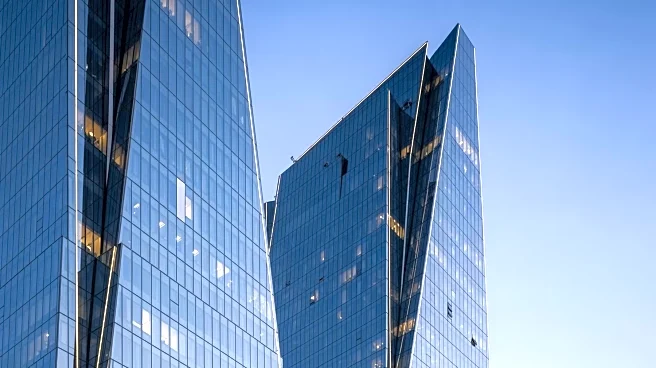




The Willis Tower, formerly known as the Sears Tower, stands as a testament to architectural innovation and engineering prowess. Designed by architect Bruce Graham and structural engineer Fazlur Rahman Khan, this iconic skyscraper in Chicago, Illinois, was once the tallest building in the world. Its unique design and structural features have made it a landmark in the field of skyscraper construction.
Innovative Design and Structure
The Willis Tower's design is a prime example of the
bundled tube structure, a concept pioneered by Fazlur Rahman Khan. This design consists of nine square tubes arranged in a 3x3 matrix, forming a strong and stable base. The tubes are set back at various heights, giving the building its distinctive stepped appearance. This innovative approach allowed the tower to reach unprecedented heights while maintaining structural integrity.
The building's facade is made of anodized aluminum and black glass, contributing to its sleek, modern look. The use of these materials not only enhances the tower's aesthetic appeal but also provides durability and resistance to the elements. The design of the Willis Tower was both structurally efficient and cost-effective, setting a new standard for skyscraper construction.
Engineering Feats
The construction of the Willis Tower involved several engineering challenges, particularly in terms of wind resistance. The building was designed to withstand wind gusts of up to 130 miles per hour, a feat achieved through the use of diagonal columns and rigid joints. These features help distribute the wind load evenly across the structure, ensuring stability even in extreme weather conditions.
The tower's foundation is another engineering marvel. It extends 50 feet deep and rests on a thick concrete slab, supported by 201 caissons drilled into the ground. This robust foundation provides the necessary support for the massive structure above, ensuring its longevity and safety.
Impact on Skyscraper Design
The Willis Tower's design has had a lasting impact on the field of skyscraper construction. The bundled tube structure has been used in many subsequent supertall buildings, including the Burj Khalifa, currently the tallest building in the world. This design allows for greater height and flexibility, enabling architects to push the boundaries of what is possible in skyscraper construction.
The tower's influence extends beyond its structural design. It has become a symbol of Chicago's architectural heritage and a popular tourist destination, attracting millions of visitors each year. The Willis Tower's Skydeck, located on the 103rd floor, offers breathtaking views of the city and beyond, further cementing its status as an architectural icon.