






In 2003, 'Big River' returned to Broadway in a revival that broke new ground in the world of musical theater. This production, directed and choreographed by Jeff Calhoun, was notable for its inclusive approach, featuring both deaf and hearing actors. This article explores the innovative aspects of the 2003 revival and its impact on audiences and the theater community.
An Inclusive Approach
The 2003 revival of 'Big River' was produced by the Roundabout Theatre Company and
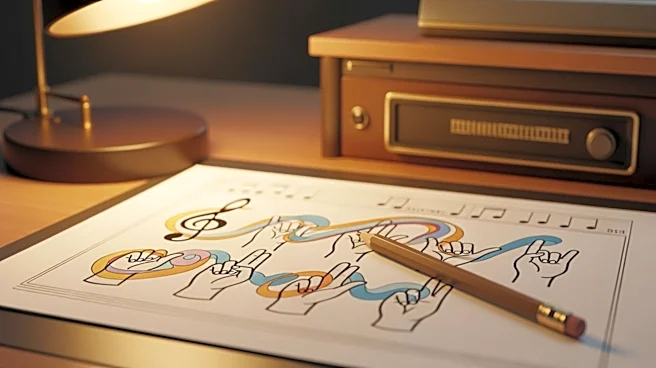
the Deaf West Theatre. This collaboration resulted in a production that was accessible to both deaf and hearing audiences. Approximately half of the characters, including the lead role of Huck Finn, were portrayed by deaf or hard-of-hearing actors. All dialogue and lyrics were both spoken and signed, allowing the production to reach a wider audience.
This inclusive approach was a significant departure from traditional Broadway productions, which typically cater to hearing audiences. By incorporating American Sign Language (ASL) into the performance, the revival of 'Big River' set a new standard for accessibility in theater. It demonstrated that musical theater could be enjoyed by all, regardless of hearing ability, and highlighted the importance of inclusivity in the arts.
Critical Acclaim and Audience Reception
The 2003 revival of 'Big River' was met with critical acclaim and was praised for its innovative approach. Critics lauded the production for its seamless integration of spoken and signed language, as well as its ability to convey the emotional depth of the story. The use of ASL added a new layer of meaning to the performance, enhancing the audience's understanding of the characters and their relationships.
Audiences responded positively to the revival, with many appreciating the opportunity to experience a Broadway musical in a new and inclusive way. The production's success demonstrated that there was a demand for more accessible theater and that audiences were eager to embrace new and innovative approaches to storytelling.
Lasting Impact and Legacy
The success of the 2003 revival of 'Big River' had a lasting impact on the theater community. It paved the way for future productions to incorporate ASL and other forms of accessibility, encouraging theaters to consider the needs of diverse audiences. The revival also highlighted the talent and potential of deaf and hard-of-hearing actors, showcasing their ability to bring depth and nuance to their performances.
'Big River' continues to be celebrated for its groundbreaking approach to inclusivity and accessibility. The 2003 revival remains a testament to the power of theater to bring people together and to create meaningful and memorable experiences for all audiences. Its legacy continues to inspire future generations of theater makers to push the boundaries of what is possible on stage.