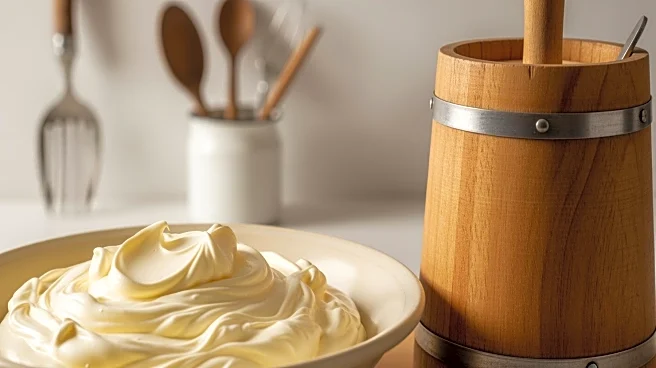




Clotted cream is a rich, indulgent dairy product that has been cherished for its unique texture and flavor. Originating from the counties of Devon and Cornwall in England, this cream is made through a meticulous process that involves heating full-cream cow's milk and allowing it to cool slowly. The result is a thick cream with a distinctive crust, known as "clots" or "clouts," that rises to the surface. This article delves into the traditional methods
of making clotted cream and the significance of this process.
Traditional Techniques
The process of making clotted cream begins with full-cream cow's milk, which is heated using steam or a water bath. This gentle heating is crucial as it allows the cream to rise to the surface without being disturbed. The milk is then left in shallow pans to cool slowly, a step that is essential for the formation of the characteristic clots. These clots give clotted cream its name and are a testament to the careful handling required during production.
The slow cooling process is not just about temperature; it is about patience and precision. As the milk cools, the cream content gradually rises, forming a thick layer on top. This layer is what makes clotted cream so special, providing a rich texture that is both smooth and slightly crusty. The art of making clotted cream lies in achieving the perfect balance between heat and time, ensuring that the cream develops its unique qualities.
Regional Significance
Clotted cream is deeply rooted in the dairy traditions of South West England, particularly in Devon and Cornwall. These regions are renowned for their dairy farms, which have perfected the art of clotted cream production over generations. The cream is not just a culinary delight but a cultural symbol, representing the rich agricultural heritage of these counties.
The largest commercial producer of clotted cream in the United Kingdom is Rodda's, located in Cornwall. Rodda's can produce up to 25 tons of clotted cream a day, showcasing the scale and expertise involved in its production. Despite its commercial success, the traditional methods remain at the heart of clotted cream making, preserving the authenticity and flavor that have made it a beloved ingredient.
Culinary Uses
Clotted cream is an essential component of cream tea, a quintessentially English tradition. Served with scones, jam, and tea, clotted cream adds a luxurious touch to this simple yet elegant meal. Its rich texture complements the lightness of scones, creating a harmonious balance of flavors.
Beyond cream tea, clotted cream can be used in various desserts and dishes, enhancing their richness and depth. Its versatility makes it a favorite among chefs and home cooks alike, who appreciate its ability to elevate even the simplest recipes. The art of making clotted cream is not just about technique; it is about creating a product that brings joy and indulgence to those who savor it.