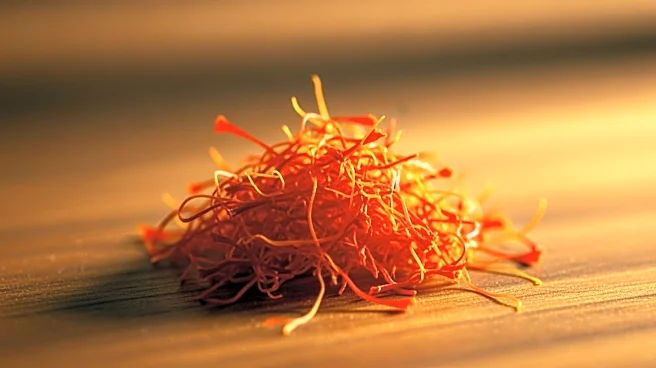



Saffron, derived from the Crocus sativus flower, is not only a culinary spice but also a cultural symbol with deep roots in various traditions. Known for its vibrant color and unique aroma, saffron has played a significant role in religious rituals, social customs, and traditional medicine across the globe. This article delves into the cultural and symbolic impact of saffron in different regions.
Saffron in Religious and Social Traditions
Saffron has been used in religious rituals and ceremonies
for centuries. In ancient Persia, saffron was offered to deities and used in funeral shrouds, symbolizing purity and divinity. The spice's vibrant color made it a popular choice for dyeing robes and garments, particularly in Buddhist and Hindu traditions, where saffron-hued clothing signifies spiritual enlightenment and renunciation.
In India, saffron is an integral part of cultural and religious practices. It is used in various ceremonies and is considered a symbol of auspiciousness and prosperity. The spice is also featured in traditional dishes, such as biryanis and sweets, adding a touch of luxury and celebration to festive occasions.
Saffron in Traditional Medicine
Saffron's medicinal properties have been recognized across cultures for centuries. Ancient Egyptians used saffron to treat gastrointestinal ailments, while Persian healers believed it could cure melancholy and enhance mood. The spice's active compounds, including carotenoids and flavonoids, contribute to its therapeutic effects.
In traditional Asian medicine, saffron is used for its mood-enhancing properties, particularly in treating major depressive disorder. Its biologically active compounds are believed to have a positive impact on mental health, making it a valuable ingredient in herbal remedies.
Saffron's Symbolic Role in Modern Times
Today, saffron continues to hold symbolic significance in various cultures. In Afghanistan, saffron cultivation is promoted as a sustainable alternative to opium production, symbolizing hope and economic development. The spice's deep red color and strong aroma are associated with high quality, making Afghan saffron a prized commodity in international markets.
Saffron's cultural and symbolic impact is evident in its widespread use and enduring appeal. From religious rituals to traditional medicine, the spice has transcended its culinary origins to become a symbol of purity, prosperity, and healing across the world. Its vibrant color and unique aroma continue to captivate and inspire, making saffron a cherished element in global traditions.