


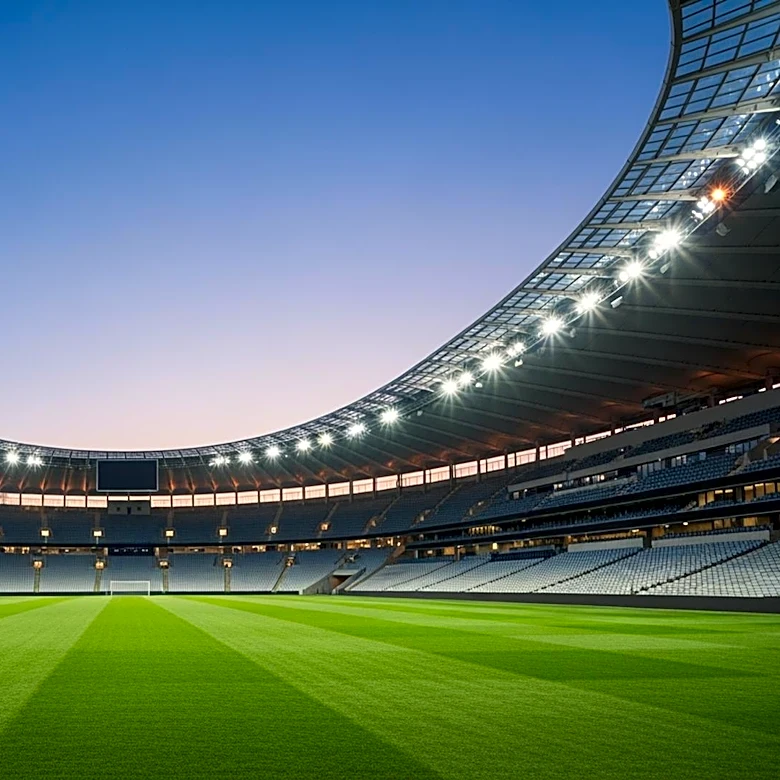




The 1930 FIFA World Cup, held in Uruguay, was a groundbreaking event that faced numerous challenges but ultimately triumphed as a historic success. As the first-ever World Cup, it set the stage for future tournaments, despite the logistical hurdles and competitive surprises that marked its journey.
Logistical Hurdles and European Reluctance
Organizing the first FIFA World Cup was no small feat. The decision to host the tournament in Uruguay posed significant logistical challenges, particularly
for European teams. The Great Depression had set in, making the long and costly trip across the Atlantic Ocean daunting for many. As a result, only a handful of European teams participated, with Belgium, France, Romania, and Yugoslavia making the journey by sea.
The Uruguayan Football Association made efforts to encourage European participation, even sending invitations to the British Home Nations, who had resigned from FIFA at the time. Despite these efforts, the European turnout was limited, and the tournament proceeded with 13 teams, primarily from the Americas. The tournament's format was straightforward, with teams divided into four groups, and the group winners advancing to the semi-finals.
Competitive Surprises and Memorable Matches
The 1930 World Cup was not only a logistical challenge but also a competitive spectacle. The tournament featured several memorable matches and surprising outcomes. The opening matches saw France defeat Mexico 4-1, with Lucien Laurent scoring the first goal in World Cup history. The United States also made a strong start, defeating Belgium 3-0.
As the tournament progressed, Argentina, Uruguay, the United States, and Yugoslavia emerged as the group winners, advancing to the semi-finals. The semi-final matches were intense, with both Argentina and Uruguay securing 6-1 victories over their opponents, the United States and Yugoslavia, respectively. These results set the stage for a thrilling final between the two South American powerhouses.
The Historic Final and Its Aftermath
The final match between Uruguay and Argentina was a highly anticipated event, drawing a crowd of 68,346 spectators to the Estadio Centenario in Montevideo. The match was fiercely contested, with Uruguay ultimately triumphing 4-2 to become the first World Cup champions. The victory was celebrated as a national triumph in Uruguay, with the following day declared a national holiday.
The 1930 FIFA World Cup, despite its challenges, was a resounding success. It demonstrated the potential of international football competitions and laid the foundation for the World Cup's future growth. The tournament's legacy endures, highlighting the power of sport to unite nations and captivate audiences worldwide.