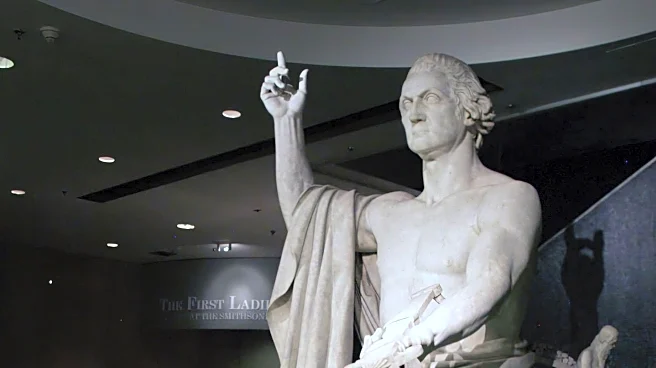

In 1787, the United States faced a critical juncture. The Articles of Confederation had proven inadequate, and the young nation was on the brink of chaos. It was in this context that George Washington,
despite his desire for retirement, played a pivotal role in the Constitutional Convention. His leadership and presence were instrumental in the drafting and eventual ratification of the U.S. Constitution.
Washington's Reluctant Return to Public Life
After the American Revolution, Washington had hoped to retire to Mount Vernon and enjoy a life of peace. However, the political instability of the time, marked by events like Shays's Rebellion, convinced him of the need for a stronger national government. Washington was initially hesitant to attend the Constitutional Convention, concerned about the legality of the proceedings and his own involvement in civil matters.
Despite his reservations, Washington was persuaded by key figures like James Madison and Henry Knox to attend the convention. They believed that his presence would lend legitimacy to the process and encourage reluctant states to participate. Washington's decision to lead the Virginia delegation was a turning point, as it signaled his commitment to the creation of a new, more effective government.
Presiding Over the Convention
Washington's election as the presiding officer of the Constitutional Convention was unanimous, reflecting the immense respect he commanded. His role was largely ceremonial, but his influence was profound. Washington's presence provided a sense of stability and order, helping to guide the delegates through contentious debates and disagreements.
The convention faced numerous challenges, particularly around issues of representation and the balance of power between the states and the federal government. Washington's support for the Virginia Plan, which called for a strong national government, was crucial in shaping the final outcome. His ability to mediate conflicts and encourage compromise was instrumental in the adoption of the Connecticut Compromise, which established the framework for the U.S. Congress.
A Legacy of Leadership
Washington's involvement in the Constitutional Convention was a testament to his enduring commitment to the nation he helped to create. His leadership and vision were critical in the drafting of the Constitution, which provided the foundation for a strong and unified United States. Washington's role in the convention also set the stage for his eventual election as the first president, a position he accepted with reluctance but fulfilled with distinction.
The Constitutional Convention of 1787 was a defining moment in American history, and Washington's contributions were central to its success. His ability to inspire trust and foster unity among the delegates ensured the creation of a government that could endure the challenges of a new and evolving nation.