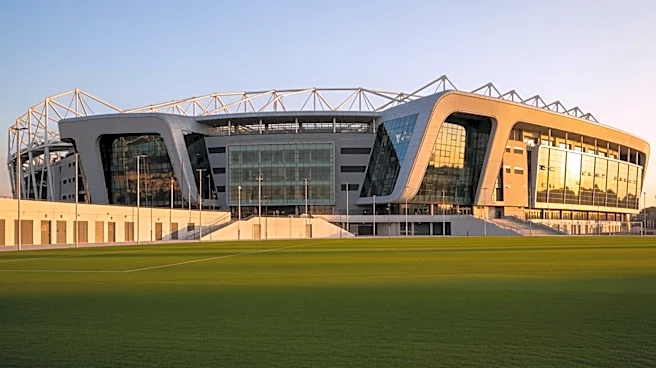


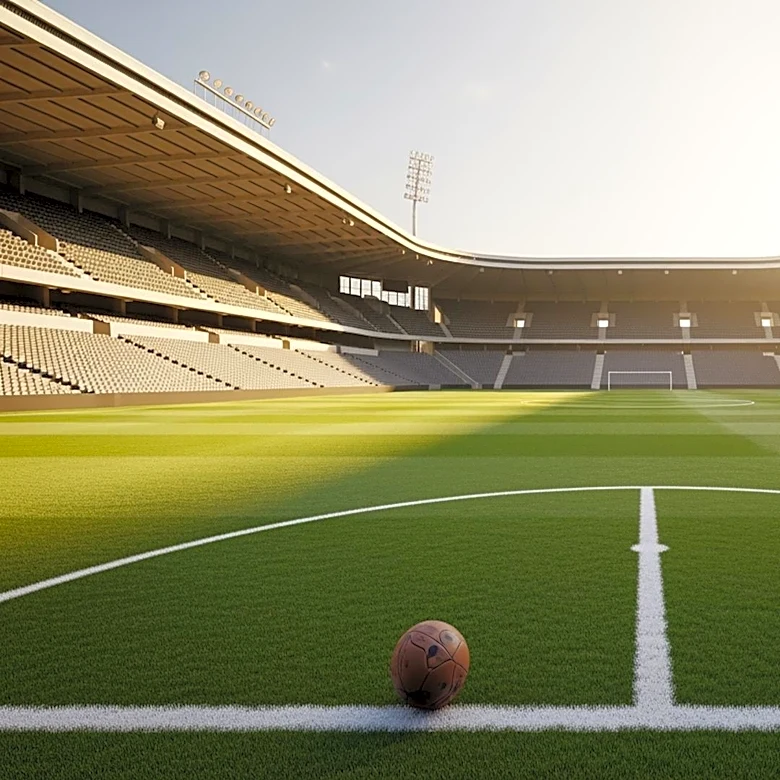




The Castelão Stadium in Fortaleza, Brazil, underwent a significant transformation to become one of the venues for the 2014 FIFA World Cup. This redevelopment was part of a larger effort to prepare Brazil for hosting the prestigious international tournament. The changes made to Castelão not only increased its capacity but also modernized its facilities, making it a key location for the World Cup matches.
Redevelopment Efforts
The redevelopment of Castelão was a comprehensive
project led by Uruguayan architect Héctor Vigliecca. The stadium closed on March 31, 2011, to begin the reconstruction process, which was completed in December 2012. This made Castelão the first of the 12 stadiums being built or redeveloped for the World Cup to be finished. The project included the addition of a larger roof, which provided better coverage for spectators, and the construction of an underground car park with 4,200 spaces, enhancing accessibility and convenience for visitors.
Another significant change was the construction of a new lower tier, which increased the stadium's seating capacity to 63,903. This all-seater configuration was crucial for accommodating the large crowds expected during the World Cup. The redevelopment efforts ensured that Castelão met international standards, providing a modern and comfortable environment for both players and fans.
Hosting the World Cup
During the 2014 FIFA World Cup, Castelão hosted six matches, showcasing its new facilities to the world. The stadium's first match was on June 14, 2014, when Uruguay faced Costa Rica in a Group D match. The venue also saw a thrilling encounter between Germany and Ghana, which ended in a 2-2 draw, and a tense match between Brazil and Mexico that concluded with a 0-0 draw.
The stadium's capacity was put to the test during these matches, with attendance figures reaching as high as 60,342 for the Brazil vs. Mexico game. Castelão's ability to handle such large crowds was a testament to the success of its redevelopment. The stadium also hosted a Round of 16 match between the Netherlands and Mexico, and a quarter-final match where Brazil triumphed over Colombia.
Legacy of the Redevelopment
The redevelopment of Castelão for the 2014 FIFA World Cup left a lasting legacy for the city of Fortaleza. The modernized stadium continues to serve as the home ground for local teams Ceará Sporting Club and Fortaleza Esporte Clube. Its enhanced facilities have made it a preferred venue for various events, including concerts and other sports competitions.
The successful hosting of World Cup matches at Castelão demonstrated the effectiveness of the redevelopment efforts. The stadium's transformation not only benefited the World Cup but also provided long-term advantages for the local community. Castelão stands as a symbol of Fortaleza's commitment to sports and its ability to host international events.