







Mixed martial arts (MMA) is a sport that combines techniques from various martial arts disciplines. As the sport has evolved, so too have the rules and regulations that govern it. These rules are crucial for ensuring the safety of fighters and maintaining the integrity of the sport. This article explores the development and importance of rules and regulations in MMA, highlighting their role in shaping the sport.
Early Regulations
The early days of mixed martial arts
were characterized by minimal rules and regulations. The sport's origins can be traced back to events like Vale Tudo in Brazil, where fighters competed with few restrictions. These early competitions aimed to determine the most effective martial art for hand-to-hand combat, often resulting in brutal and dangerous matches.
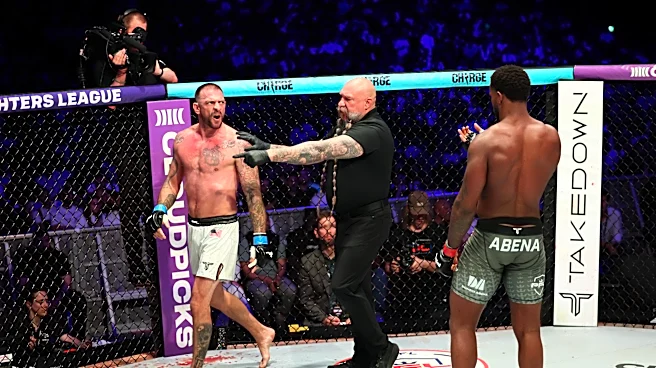
As MMA gained popularity, the need for standardized rules became apparent. The introduction of the Unified Rules of Mixed Martial Arts marked a significant turning point in the sport's development. These rules established weight classes, prohibited certain techniques, and required fighters to wear protective gear. The goal was to enhance fighter safety and promote the sport's acceptance as a legitimate athletic competition.
Safety and Fairness
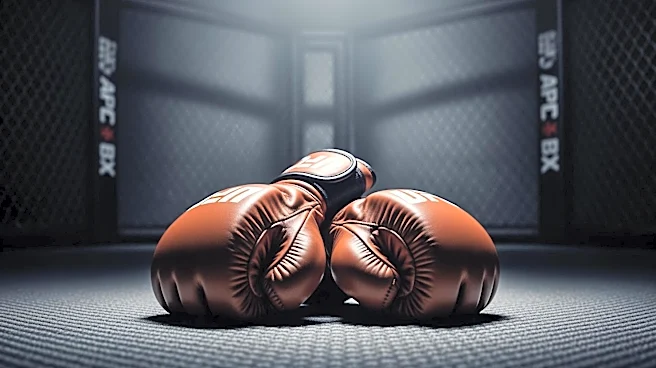
The implementation of rules and regulations in MMA has been instrumental in ensuring the safety of fighters. Prohibitions on techniques like headbutting, eye gouging, and groin strikes help prevent serious injuries. The use of protective equipment, such as gloves and mouthguards, further reduces the risk of harm during matches.
Weight classes are another important aspect of MMA regulations. By categorizing fighters based on their weight, the sport ensures fair competition and minimizes the risk of mismatches. This system allows fighters to compete against opponents of similar size and strength, making for more balanced and competitive matches.
Evolution of the Sport
The evolution of rules and regulations in MMA has played a crucial role in the sport's growth and acceptance. As the sport has become more mainstream, regulatory bodies have continued to refine and update the rules to address emerging safety concerns and maintain the sport's integrity.
The introduction of time limits and the use of judges to score matches have also contributed to the sport's evolution. These measures ensure that fights remain competitive and engaging for spectators, while also providing a clear framework for determining winners. The ongoing development of rules and regulations reflects the sport's commitment to safety, fairness, and professionalism.
In conclusion, the role of rules and regulations in mixed martial arts cannot be overstated. They are essential for ensuring the safety of fighters, promoting fair competition, and maintaining the sport's integrity. As MMA continues to grow and evolve, the importance of these regulations will remain a cornerstone of the sport's success.