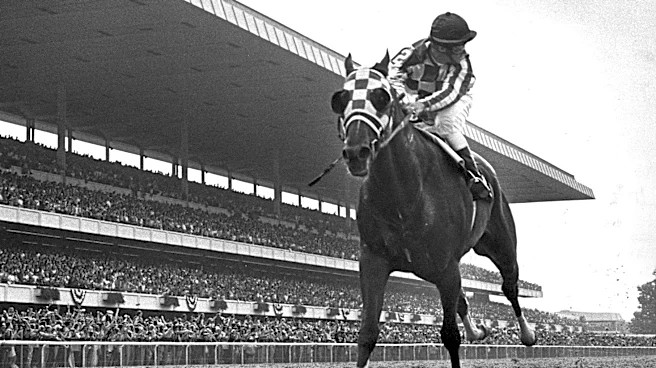

Ferdinand, the celebrated Thoroughbred racehorse, is remembered not only for his achievements on the track but also for the controversy surrounding his post-racing life and untimely death. After a successful
racing career, Ferdinand's transition to life as a breeding stallion and his eventual fate sparked widespread indignation and led to significant changes in the treatment of retired racehorses. This article explores Ferdinand's life after racing and the impact of his tragic end.
Transition to Breeding
Following his retirement from racing, Ferdinand was initially stationed at Claiborne Farm in Kentucky, where he stood as a breeding stallion. Despite his racing success, Ferdinand's performance as a sire was underwhelming, with few notable offspring. His most successful progeny was Bull in The Heater, a winner of the Florida Derby. However, the lack of significant results led to Ferdinand being sold to Arrow Stud in Japan in 1994.
In Japan, Ferdinand continued his career as a breeding stallion, but he failed to capture the interest of local breeders. His popularity waned, and by his final breeding season, he covered only a handful of mares. Efforts to find Ferdinand a new home, including attempts to place him in an equestrian club, were unsuccessful, leaving his future uncertain.
A Tragic End and Its Aftermath
Ferdinand's fate took a tragic turn when he was sold to a horse dealer and subsequently disappeared from records in 2002. It was later revealed that Ferdinand had been sent to slaughter, likely ending up as pet food. This revelation shocked the racing community and the public, leading to widespread outrage and calls for reform in the treatment of retired racehorses.
The outcry over Ferdinand's death prompted the creation of the "Ferdinand Fund," a program aimed at ensuring retired racehorses receive a dignified end to their lives. Additionally, the "Friends of Ferdinand" organization was established to provide second careers for retired racehorses. These initiatives highlighted the need for better welfare practices and raised awareness about the plight of racehorses after their careers end.
Legacy and Impact
Ferdinand's story serves as a poignant reminder of the challenges faced by retired racehorses. His tragic end underscored the importance of responsible ownership and the need for comprehensive retirement plans for these animals. The public's response to Ferdinand's fate also contributed to legislative efforts, such as the proposed "American Horse Slaughter Prevention Act," aimed at banning the slaughter of racehorses for meat.
While Ferdinand's life ended in controversy, his legacy continues to influence the racing industry. His story has inspired changes in how retired racehorses are treated, ensuring that future champions receive the care and respect they deserve after their racing days are over.