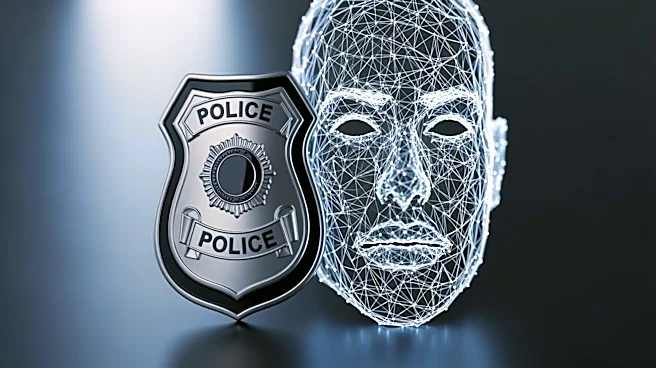






Facial recognition technology has become a valuable asset for law enforcement agencies across the United States. Its ability to quickly identify individuals from images and video footage has revolutionized investigative processes. However, the use of this technology is not without controversy, as concerns about privacy, accuracy, and potential misuse continue to spark debate.
Applications in Law Enforcement
Facial recognition technology is widely used by law enforcement agencies
in the U.S. to enhance their capabilities in identifying suspects and solving crimes. The FBI's Next Generation Identification program incorporates facial recognition alongside other biometric tools, such as fingerprints and iris scans, to assist in investigations.
Local police departments have also adopted facial recognition systems to aid in their operations. For example, the Maryland Department of Public Safety and Correctional Services uses a statewide system that integrates DMV photos and criminal images. This system allows officers to quickly match faces from crime scenes with existing databases, streamlining the identification process.
Controversies and Ethical Concerns
Despite its benefits, the use of facial recognition technology in law enforcement has raised significant ethical concerns. Privacy advocates argue that the technology can lead to mass surveillance, infringing on individuals' rights to privacy. The ability to track and identify people without their consent poses a threat to civil liberties.
Accuracy is another contentious issue. Studies have shown that facial recognition systems often have higher error rates for people of color and women, leading to potential discrimination and wrongful arrests. These inaccuracies have prompted calls for stricter regulations and oversight to ensure the technology is used responsibly.
Legal and Regulatory Responses
In response to these controversies, several U.S. cities have taken steps to regulate or ban the use of facial recognition technology by law enforcement. San Francisco, Oakland, and Somerville are among the cities that have prohibited its use, citing privacy violations and the potential for misuse.
Legal challenges have also emerged, with organizations like the American Civil Liberties Union (ACLU) suing companies for violating privacy laws. These lawsuits highlight the need for clear guidelines and accountability in the use of facial recognition technology.
As facial recognition technology continues to evolve, its role in law enforcement will remain a topic of debate. Balancing the benefits of enhanced security and crime-solving capabilities with the protection of individual rights is a challenge that requires ongoing dialogue and thoughtful regulation. The future of facial recognition in U.S. law enforcement will depend on how these issues are addressed and resolved.