

Squats are a fundamental exercise in strength training, known for their ability to enhance lower body strength and core stability. This exercise involves a complex interplay of muscle groups and joint movements, making it a staple in both powerlifting and recreational fitness routines. Understanding the mechanics of squats can help individuals perform them safely and effectively, maximizing their benefits while minimizing the risk of injury.
Muscle Engagement in Squats
During
a squat, several muscle groups are activated to facilitate the movement. The primary muscles involved are the quadriceps femoris, adductor magnus, and gluteus maximus. These muscles work together to lower the body and then lift it back to a standing position. Additionally, the erector spinae and abdominal muscles are engaged isometrically to stabilize the torso throughout the exercise.
The descent phase of a squat involves flexion at the hip and knee joints, while the ankle joint dorsiflexes. As the body returns to the upright position, the hip and knee joints extend, and the ankle joint plantarflexes. This coordinated movement requires strength and control, particularly from the muscles surrounding the hips, which provide the power needed to rise from the squat's lowest point.
Joint Mechanics and Safety Considerations
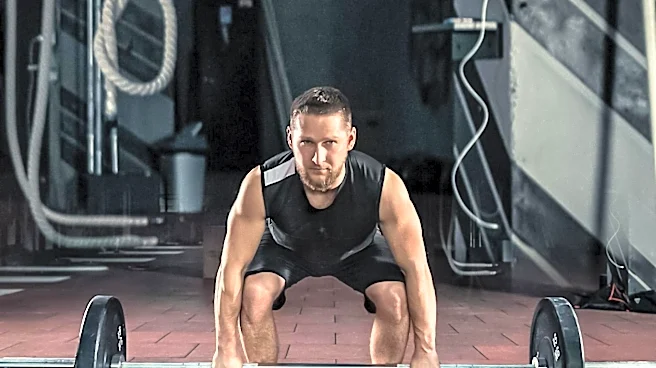
Proper form is crucial when performing squats to avoid injury. The movement begins by pushing the hips back and bending the knees, ensuring the torso remains upright. Weight is often added using a barbell, which can be positioned high or low on the back. High bar squats place the bar across the upper trapezius, while low bar squats position it across the rear deltoids.
Squats can be performed to varying depths, with the competition standard requiring the hip crease to fall below the knee. This depth is known as "parallel" and is essential for effective muscle engagement. However, squatting below parallel increases compressive forces on the knee's menisci and articular cartilages, making it important to balance depth with safety.
Common Errors and Corrective Techniques
Several common errors can occur during squats, such as descending too rapidly or flexing the torso excessively forward. Rapid descent can lead to loss of control and potential injury, while over-flexing the torso increases stress on the lower back. Ensuring the knees align with the toes and maintaining heel contact with the floor are critical for proper form.
Using equipment like power cages, weight lifting belts, and heeled shoes can aid in maintaining form and reducing injury risk. Additionally, techniques like variable resistance squats, which alter resistance throughout the movement, can help improve strength and power by matching resistance to the body's strength phases.