



Kumis, a traditional fermented dairy drink made from mare's milk, is renowned for its unique production process. This article explores the intricate methods involved in making kumis, from traditional techniques to modern adaptations, highlighting the skill and cultural significance embedded in its creation.
Traditional Techniques of Kumis Production
The production of kumis begins with the milking of mares, a process that requires considerable skill. In Mongolia, the milking season traditionally
runs from mid-June to early October, with each mare producing approximately 1,000 to 1,200 liters of milk per season. The technique involves a foal starting the milk flow, while the milker kneels with a pail propped on one knee, using a string to steady the pail.
Once the milk is collected, it undergoes fermentation. Traditionally, this process took place in horse-hide containers, which were often strapped to a saddle and joggled around during a day's ride. The fermentation involves lactobacilli bacteria acidifying the milk and yeasts turning it into a carbonated and mildly alcoholic drink. This traditional method reflects the nomadic lifestyle of Central Asian peoples and their reliance on horses for both transportation and sustenance.
Modern Adaptations in Kumis Production
In modern times, kumis production has adapted to include industrial-scale methods, often using cow's milk due to the limited availability of mare's milk. Cow's milk is fortified with sucrose or modified whey to approximate the composition of mare's milk, allowing for a similar fermentation process.
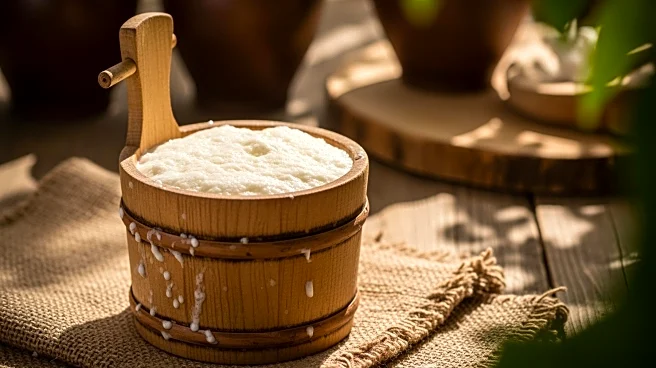
Today, wooden vats or plastic barrels are used instead of leather containers, and the initial fermentation takes place at controlled temperatures. Despite these changes, the essence of kumis remains the same, preserving its traditional flavor and cultural significance.
The Cultural and Economic Impact of Kumis Production
Kumis production is not only a cultural practice but also an economic activity. In the Soviet Union, a significant number of mares were kept specifically for producing milk to make kumis, highlighting its economic importance. The drink's production supports local economies and provides a source of income for many families in Central Asia.
Moreover, kumis serves as a cultural bridge, connecting modern practices with ancient traditions. Its production and consumption continue to be a vital part of Central Asian identity, reflecting the region's rich history and cultural diversity. As kumis finds new expressions in contemporary culinary creations, its production remains a testament to the enduring legacy of Central Asian traditions.