




The frock coat stands out as a quintessential fashion element of the Victorian era, embodying the elegance and formality of the time. This article delves into the characteristics and significance of the frock coat, exploring its role as a fashion icon during the nineteenth century.
Design and Features
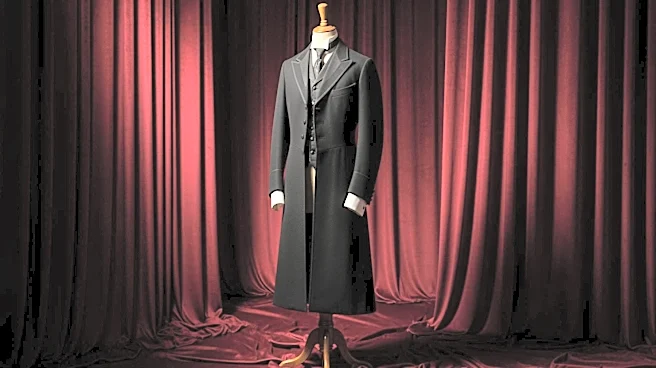
The frock coat is characterized by its knee-length skirt and fitted design, making it a staple in men's formal wear during the Victorian and Edwardian periods. It featured
long sleeves, a center vent at the back, and unique elements such as reverse collars and lapels. The coat's diameter around the waist was less than around the chest, achieved through a high horizontal waist seam and side bodies.
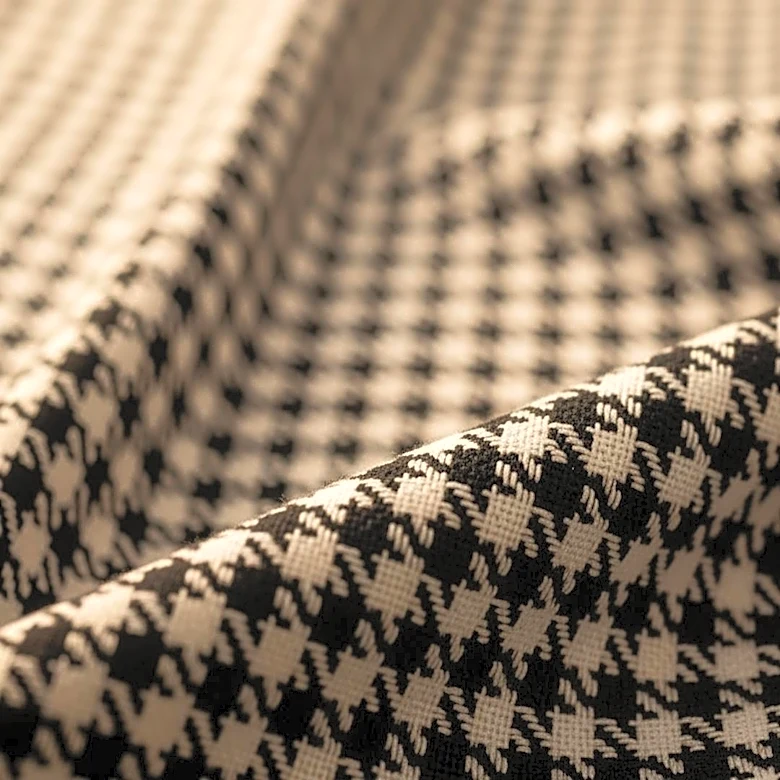
These design features contributed to the frock coat's sophisticated appearance, making it suitable for formal occasions such as weddings and funerals. The frock coat was often worn with charcoal grey, pin-striped, or checked formal trousers, further enhancing its formal appeal. The double-breasted version, known as the Prince Albert, was particularly popular, named after Prince Albert, consort to Queen Victoria.
Cultural Impact
The frock coat was more than just a fashion statement; it was a symbol of professionalism and status. It was the standard business attire of the Victorian era, worn by professionals and gentlemen alike. The frock coat's prominence in formal daytime dress reflected the societal norms and expectations of the time.
As the frock coat became widely established, it started to embody the most formal wear for daytime, gradually being replaced by the morning coat in the early twentieth century. Despite its decline, the frock coat's influence persisted, leaving a lasting impact on fashion and cultural expression.
Legacy and Modern Influence
While the frock coat is rarely seen in contemporary fashion, its legacy endures. Elements of the frock coat can be found in modern formal wear, such as the morning coat and lounge suit. The frock coat's design principles, including its fitted silhouette and formal aesthetic, continue to inspire fashion designers and enthusiasts.
The frock coat remains a symbol of the elegance and sophistication of the Victorian era, serving as a reminder of the rich history of fashion. Its influence on modern formal wear highlights the enduring appeal of this iconic garment, bridging the gap between past and present.