



The 2026 Formula One World Championship is set to be a landmark season, characterized by groundbreaking technological innovations and significant regulation changes. These advancements are designed to enhance performance, improve safety, and align with environmental sustainability goals. As the sport evolves, the 2026 season promises to showcase the cutting-edge technology that defines Formula One.
Power Unit Advancements
One of the most significant technological changes
in the 2026 season is the introduction of new power unit regulations. The power units will continue to produce over 1,000 bhp, but the sources of this power will change. The MGU-H will be removed, and the MGU-K output will increase to 470 bhp. This shift aims to enhance the efficiency and performance of the power units while maintaining the sport's high-performance standards.
The power units will also use a fully sustainable fuel, reflecting Formula One's commitment to environmental sustainability. This change is part of a broader effort to reduce the sport's carbon footprint and promote the use of renewable energy sources. The new power units are expected to recover twice as much electrical energy as before, further enhancing their efficiency.
Aerodynamic Innovations
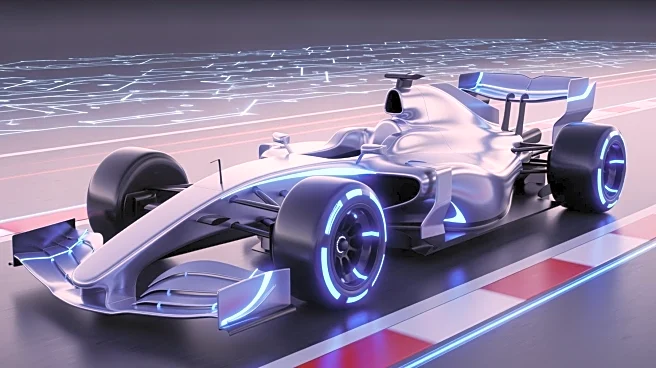
The 2026 season will also see significant changes in aerodynamics. The introduction of active aerodynamics, replacing the traditional drag reduction system, is a key innovation. This new system, referred to as overtake mode, is designed to improve overtaking opportunities and enhance the overall racing spectacle.
The cars will also undergo changes in size and weight, with adjustments to the wheelbase, width, and tire dimensions. These changes aim to improve the cars' handling and performance on the track. The reduction in car size and weight is expected to make the cars more agile and responsive, contributing to more exciting and competitive races.
Safety and Financial Regulations
Safety remains a top priority in the 2026 season, with updates to the front impact structure and side intrusion protection. The roll hoop's strength will be improved, and lateral safety lights will be mandated to indicate the energy recovery system status. These measures are designed to enhance driver safety and ensure the sport remains at the forefront of technological innovation.
Financial regulations have also been updated, with the cost cap for team operational expenditures increased to $215 million. This change accounts for inflation and previously exempted costs, ensuring teams have the resources needed to develop and implement new technologies.
The 2026 Formula One season is a testament to the sport's commitment to innovation and progress. With new technologies and regulations, the championship promises to deliver thrilling races and set new standards in motorsport.