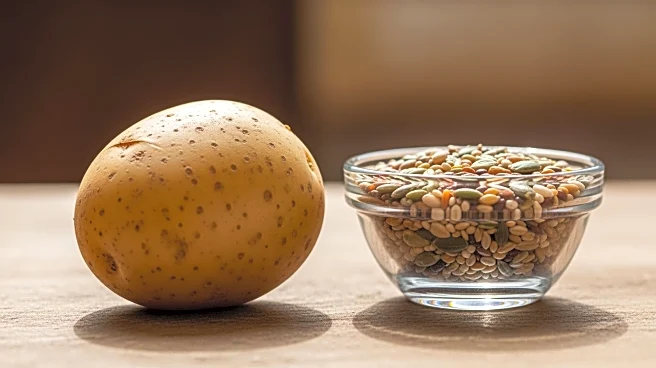

Potatoes are a staple food in many parts of the world, known for their versatility and nutritional value. This article delves into the nutritional content of potatoes, highlighting their role in a balanced
diet. Potatoes are not only a source of carbohydrates but also provide essential vitamins and minerals, making them a valuable component of meals across the globe.
Carbohydrates and Protein Content
Potatoes are primarily composed of carbohydrates, which make up about 20% of their content. This carbohydrate content includes dietary fiber, which is beneficial for digestive health. The fiber is found in both the skin and flesh of the potato, contributing to its nutritional value. In addition to carbohydrates, potatoes contain about 2% protein. While this protein content is modest, it is comparable to other starchy vegetables and grains, making potatoes a useful source of plant-based protein.
The carbohydrates in potatoes are primarily in the form of starch, which provides a quick source of energy. This makes potatoes a popular choice for athletes and those needing a quick energy boost. The protein in potatoes, although not as high as in legumes or meat, still contributes to the overall protein intake, especially in vegetarian diets.
Vitamins and Minerals
Potatoes are a moderate source of several essential vitamins and minerals. They provide 10-19% of the daily value of vitamin C, which is important for immune function and skin health. Additionally, potatoes contain B vitamins, including vitamin B6 and pantothenic acid, which play crucial roles in energy metabolism and brain health.
Potatoes are also a source of potassium, providing about 13% of the daily value. Potassium is vital for maintaining healthy blood pressure levels and proper muscle function. While potatoes do not supply significant amounts of other dietary minerals, their contribution to vitamin and mineral intake should not be overlooked.
Health Considerations
While potatoes are nutritious, their preparation method can significantly impact their health benefits. Boiling potatoes with the skin on helps retain their nutrients, whereas frying can add unhealthy fats and calories. It's important to consider portion sizes and preparation methods to maximize the health benefits of potatoes.
Potatoes have a high glycemic index, which means they can cause a rapid increase in blood sugar levels. This is an important consideration for individuals managing diabetes or following a low-glycemic diet. However, when consumed in moderation and as part of a balanced diet, potatoes can be a healthy and satisfying food choice.
In conclusion, potatoes are a nutritious staple that provides essential carbohydrates, vitamins, and minerals. By choosing healthy preparation methods and mindful portion sizes, potatoes can be a valuable part of a balanced diet.