
Robotic book scanners represent a significant advancement in the field of digitization technology. These devices automate the process of scanning books, making it possible to digitize large volumes quickly
and efficiently. This article delves into the development and functionality of robotic book scanners, highlighting their impact on the digitization process.
How Robotic Book Scanners Work
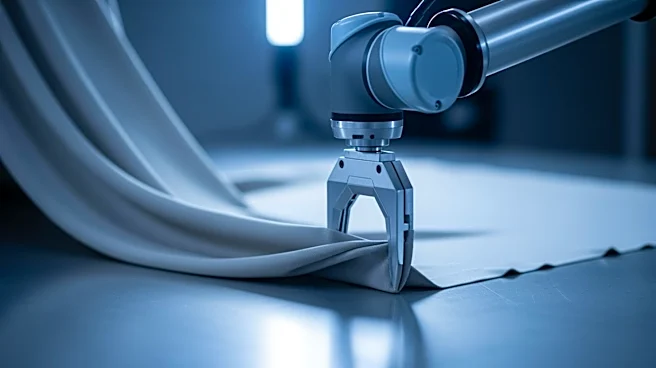
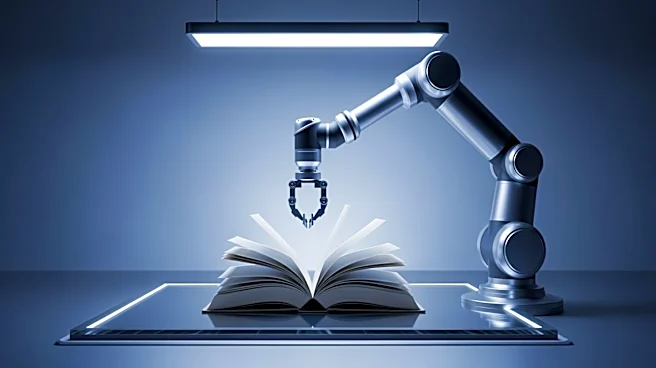
Robotic book scanners are designed to handle books with minimal human intervention. They use advanced mechanisms to turn pages and capture images, ensuring that the scanning process is both efficient and gentle on the books. Typically, these scanners consist of a page-turning mechanism, cameras to photograph each page, and software to compile the images into a digital file.
The page-turning mechanism often employs air and suction technology to lift and turn pages without causing damage. This is particularly important for fragile or rare books that require careful handling. Some models use bionic fingers or ultrasonic sensors to detect and prevent dual pages, ensuring accuracy in the scanning process.
Advantages of Robotic Scanners
The primary advantage of robotic book scanners is their speed and efficiency. High-end models can scan up to 2,900 pages per hour, making them ideal for large-scale digitization projects. This capability is crucial for libraries and institutions looking to digitize extensive collections quickly.
Robotic scanners also offer flexibility, allowing for manual operation if a book is too delicate for the robot to handle alone. This ensures that even complex or fragile books can be digitized without compromising their integrity. Additionally, the use of special cradles and glass plates helps prevent damage during scanning, preserving the physical condition of the books.
The Future of Robotic Book Scanning
As technology continues to advance, the future of robotic book scanning looks promising. Innovations such as infrared camera technology and software skew correction are enhancing the accuracy and quality of digital scans. These advancements are making it possible to capture fine details and preserve the original appearance of the books.
The development of robotic book scanners is a testament to the power of technology in transforming the way we access and preserve information. By automating the digitization process, these devices are making it possible to create comprehensive digital libraries, ensuring that knowledge is accessible to all.
Robotic book scanners are a technological marvel, revolutionizing the digitization process and expanding access to information. Their speed, efficiency, and gentle handling make them an invaluable tool for libraries and institutions worldwide.