



Falls are a significant concern for older adults, often leading to serious injuries and a decline in overall health. To combat this issue, specific exercise strategies can be employed to enhance balance, strength, and stability, thereby reducing the risk of falls. This article delves into the types of exercises that are particularly effective for fall prevention in adults aged 65 and older.
The Role of Resistance Training
Resistance training is a cornerstone of fall prevention strategies
for older adults. As people age, they experience a natural decline in muscle mass and strength, which can increase the risk of falls. Resistance training helps to counteract this decline by building muscle mass and enhancing strength. Engaging in resistance exercises two to three times a week can lead to significant improvements in muscle size and strength, providing older adults with the stability needed to prevent falls.
Incorporating resistance exercises that target the legs, hips, and core muscles is particularly beneficial. These exercises provide the foundation for improved balance and stability, which are crucial for fall prevention. By focusing on these muscle groups, older adults can enhance their ability to maintain balance and recover from potential falls.
Balance and Stability Exercises
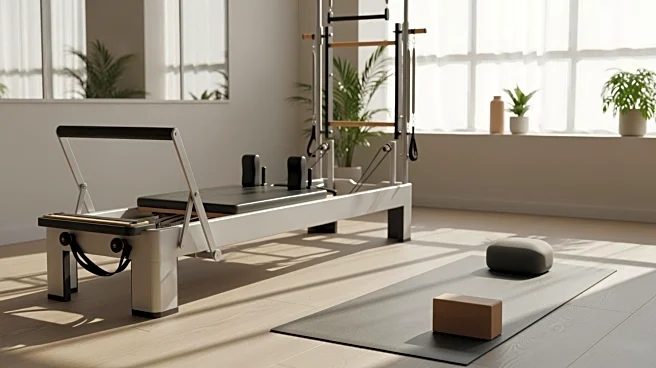
Balance and stability exercises are another critical component of fall prevention strategies. Postural training, which focuses on improving balance and stability, is highly effective in reducing fall risk. Pilates, a form of exercise that emphasizes core strength and balance, has been shown to improve the postural system and increase mobility in older adults.
In addition to pilates, other forms of training, such as aerobic, anaerobic, and proprioceptive exercises, can also be used to enhance balance and stability. These exercises help older adults develop better control over their movements, reducing the likelihood of falls. By incorporating a variety of balance and stability exercises into their routine, older adults can improve their overall physical fitness and confidence.
Overcoming Barriers to Exercise
While the benefits of exercise for fall prevention are clear, adherence to exercise programs can be challenging for older adults. Many exercise programs are repetitive and require a long duration to see noticeable benefits, leading to lower adherence rates. To address this issue, it is important to create engaging and varied exercise programs that keep older adults motivated.
Specialized facilities, such as seniors' parks, can provide a supportive environment for older adults to engage in physical activity. These facilities offer specialized equipment and training stations designed to meet the needs of older adults, making exercise more accessible and enjoyable. By providing a welcoming and supportive environment, these programs can help older adults maintain their physical fitness and reduce their risk of falls.
In summary, effective exercise strategies for fall prevention in older adults include resistance training and balance exercises. By incorporating these activities into their routine, older adults can improve their strength, stability, and confidence, ultimately reducing their risk of falls and enhancing their quality of life.