







Dyslexia, a learning disability affecting reading and writing, has been the subject of extensive research and study over the years. Understanding its history and the evolution of research can provide valuable insights into how perceptions and treatments of dyslexia have changed. This article explores the historical development of dyslexia research and the key milestones in understanding this complex condition.
Early Understanding of Dyslexia
The term dyslexia was first coined in the
late 19th century, but the understanding of the condition has evolved significantly since then. Initially, dyslexia was often misunderstood and attributed to laziness or lack of intelligence. Early researchers began to recognize that dyslexia was a distinct learning disability, separate from other cognitive impairments.
As research progressed, it became clear that dyslexia was not related to vision problems or insufficient teaching. Instead, it was identified as a neurological condition affecting language processing. This shift in understanding laid the groundwork for more targeted research and interventions.
Advances in Dyslexia Research
Throughout the 20th century, research into dyslexia expanded, with scientists exploring its genetic and environmental causes. Studies began to identify the role of genetic factors in dyslexia, noting that it often runs in families. This led to the recognition of dyslexia as a hereditary condition, prompting further investigation into its genetic underpinnings.
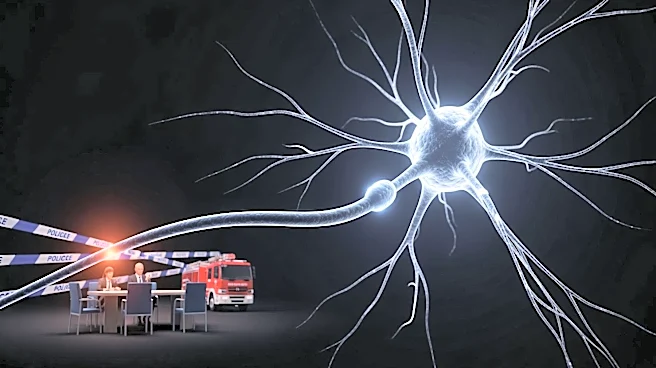
In addition to genetic research, scientists explored the neurological basis of dyslexia, examining how differences in brain structure and function contribute to reading difficulties. These studies have helped to identify specific areas of the brain involved in language processing, providing a clearer picture of the mechanisms underlying dyslexia.
Modern Approaches and Ongoing Research
Today, dyslexia research continues to evolve, with a focus on developing effective interventions and teaching strategies. Advances in technology, such as brain imaging, have allowed researchers to study dyslexia in greater detail, leading to a deeper understanding of its complexities.
Current research also explores the impact of different writing systems on dyslexia, examining how orthographic complexity influences reading difficulties. This has led to a more nuanced understanding of how dyslexia manifests in different languages and cultures.
The history of dyslexia research reflects a journey from misunderstanding to a more comprehensive understanding of this learning disability. As research continues, there is hope for even more effective interventions and support for individuals with dyslexia, helping them to overcome challenges and achieve their full potential.