




Selecting the right crate for your dog is an important step in ensuring successful crate training. With various options available, it can be challenging to determine which crate is best suited for your pet. This guide will help you understand the factors to consider when choosing a crate, including size, material, and intended use.
Determining the Correct Size
The size of the crate is one of the most critical factors to consider. A crate should be large enough for your dog to stand
up, turn around, and stretch out comfortably. However, it should not be so large that the dog can use one end as a toilet and the other as a sleeping area. This defeats one of the primary purposes of crate training, which is to encourage the dog to hold its bladder until it is taken outside.
Many larger crates come with dividers, allowing the crate to "grow" with the pet. This feature is particularly useful for puppies, as it provides flexibility as the dog matures. When selecting a crate, ensure that it meets the current size needs of your dog while also considering future growth.
Choosing the Right Material
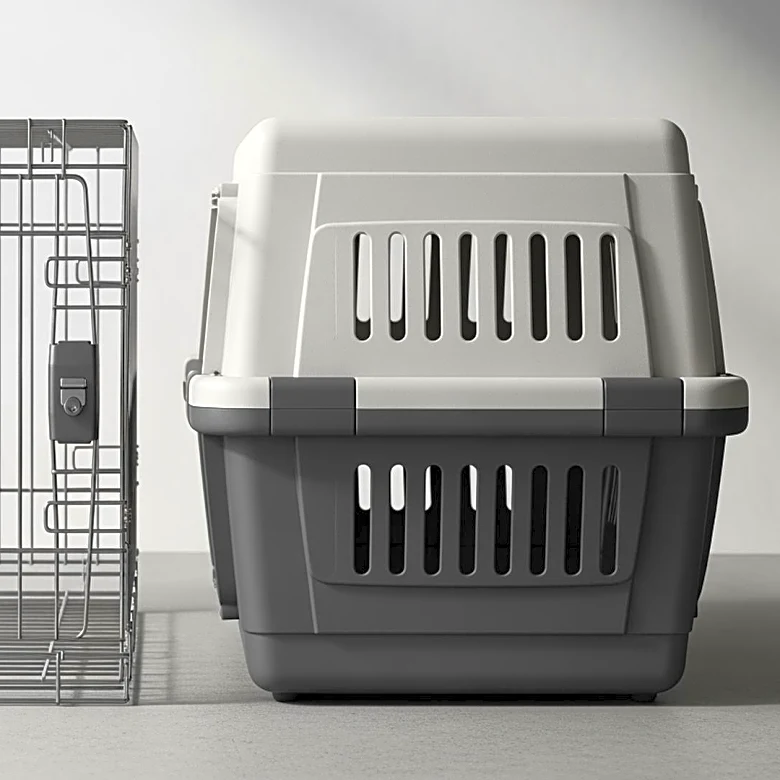
Crates are available in various materials, each with its advantages and disadvantages. Wire crates are popular due to their durability and ventilation. They provide excellent airflow and visibility, making them suitable for home use and travel. However, they can be heavy and may not be the best option for dogs that are prone to chewing.
Plastic crates are often preferred for secure travel, such as in an airplane, as they offer more protection. They are also easier to clean and can provide a den-like feel for the dog. However, they take up more space and do not fold for storage.
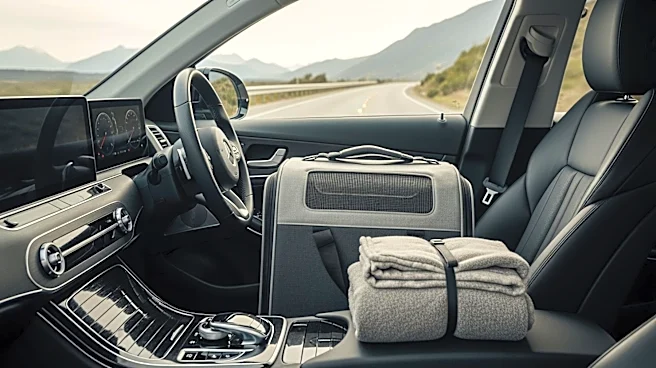
Soft-sided crates are lightweight and portable, making them ideal for travel. They provide a sense of security while allowing visibility and airflow. However, they are not suitable for dogs that are likely to dig or chew, and they are not recommended for vehicle transport.
Considering the Purpose
When choosing a crate, consider its intended use. For home use, a larger crate may be more comfortable for the dog, while a smaller, more secure crate may be better for travel. If the crate will be used for international transport, ensure it adheres to international regulations.
In conclusion, selecting the right crate for your dog involves considering size, material, and purpose. By taking these factors into account, you can choose a crate that meets your dog's needs and supports successful crate training.