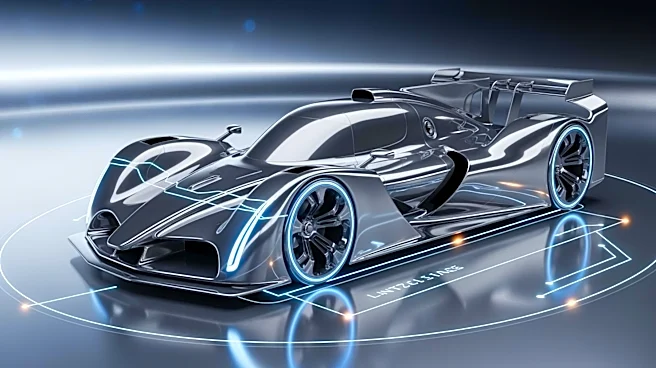






Group C motorsport, introduced by the FIA in 1982, was not just a racing category; it was a technological revolution. This category brought about significant advancements in automotive engineering, focusing on fuel efficiency and aerodynamics rather than just raw engine power. The innovations that emerged from Group C racing have had a lasting impact on the automotive industry and motorsport as a whole. This article delves into the technological breakthroughs
that defined Group C and their influence on modern racing.
Fuel Efficiency and Aerodynamics
One of the most notable aspects of Group C racing was its emphasis on fuel efficiency. Unlike previous categories that focused on engine capacity, Group C imposed strict limits on fuel consumption. Cars were allowed a maximum of 100 liters of fuel and only five refueling stops within a 1000-kilometer race. This regulation forced manufacturers to innovate in areas beyond engine power, leading to significant advancements in fuel efficiency and aerodynamics.
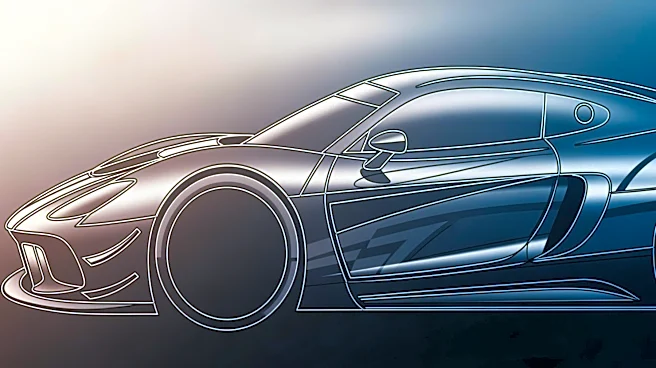
Manufacturers like Porsche and Lancia were at the forefront of these innovations. The Porsche 956, for example, featured a highly aerodynamic design that minimized drag and maximized speed while conserving fuel. This focus on aerodynamics not only improved performance on the track but also influenced the design of road cars, as manufacturers sought to apply these principles to everyday vehicles.
Engine Diversity and Innovation
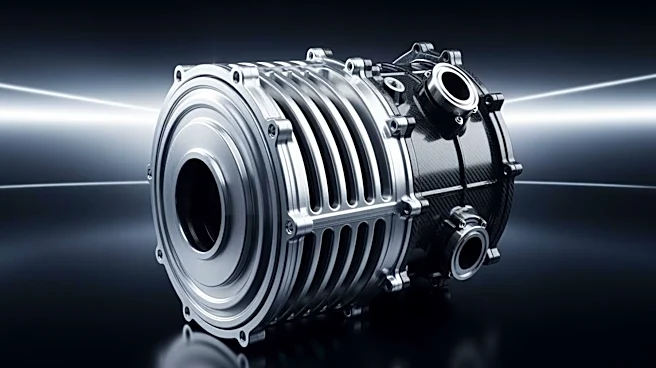
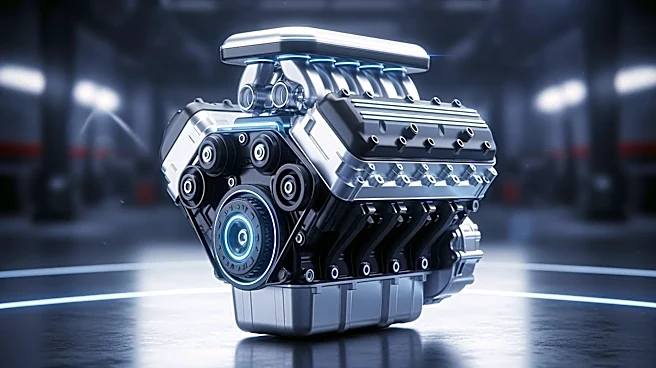
Group C's regulations allowed for a wide range of engine configurations, leading to a diverse and competitive field. Manufacturers experimented with various engine types, from turbocharged units to naturally aspirated designs, each bringing its unique advantages and challenges. This diversity encouraged innovation and pushed the boundaries of what was possible in automotive engineering.
The competition between different engine types led to rapid advancements in technology. Turbocharged engines, for instance, became more efficient and reliable, while naturally aspirated engines saw improvements in power output and fuel consumption. These developments not only enhanced the performance of Group C cars but also contributed to the evolution of engine technology in the broader automotive industry.
Lasting Impact on Motorsport
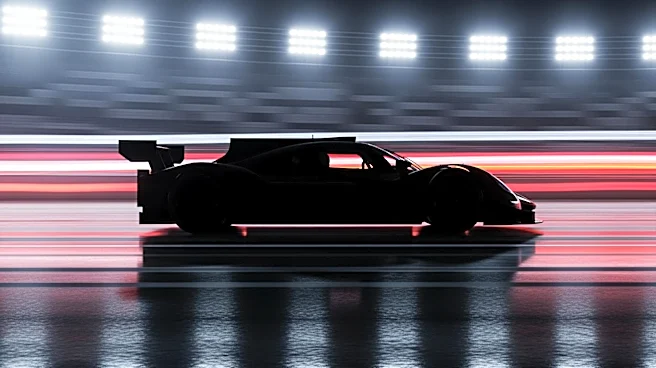
The technological advancements that emerged from Group C racing have had a lasting impact on motorsport. The emphasis on fuel efficiency and aerodynamics continues to influence modern racing categories, from endurance racing to Formula One. The innovations developed during the Group C era laid the groundwork for future advancements, shaping the direction of automotive engineering for years to come.
While Group C may no longer be a part of the motorsport landscape, its legacy lives on through the technological breakthroughs it inspired. The category's focus on innovation and efficiency set a new standard for racing, one that continues to drive progress in the automotive world.