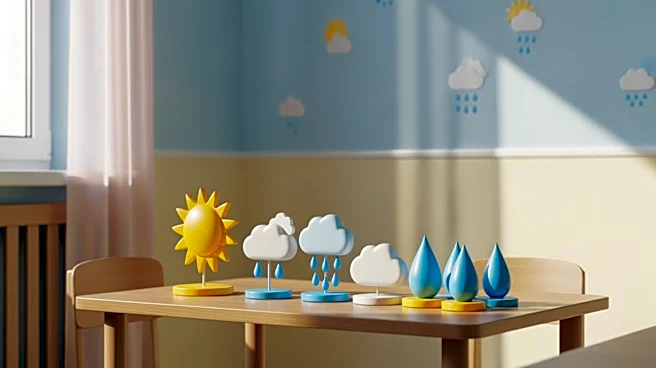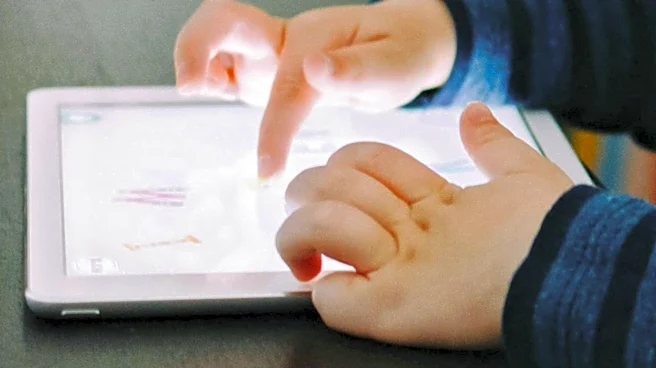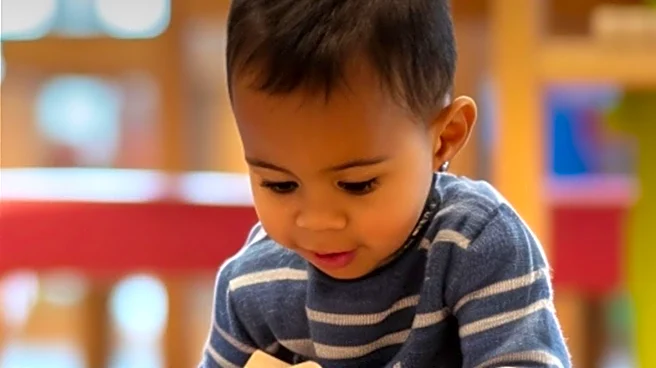





Educational toys have become an integral part of contemporary learning environments, influencing how children engage with educational content and develop essential skills. These toys are designed to complement traditional teaching methods, offering interactive and hands-on learning experiences. This article examines the impact of educational toys on modern learning, highlighting their role in shaping educational practices and environments.
Enhancing Classroom Learning
In today's
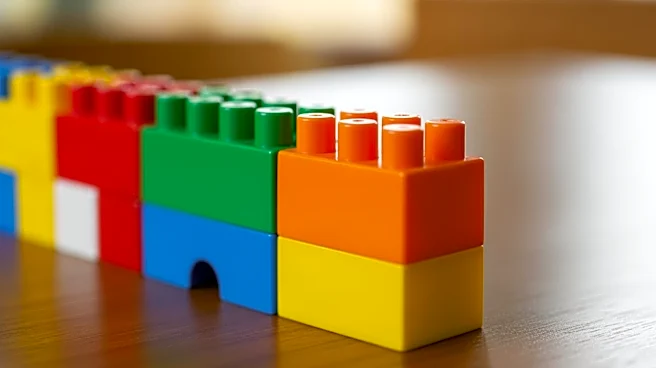
classrooms, educational toys are used to supplement traditional teaching methods, providing students with interactive and engaging learning experiences. Teachers incorporate toys like building blocks, puzzles, and science kits into their lessons to reinforce concepts and encourage active participation. These toys help students visualize abstract ideas, making complex subjects more accessible and understandable.
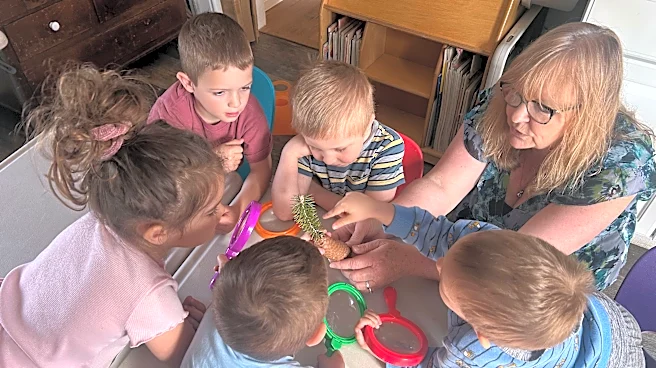
Educational toys also promote experiential learning, allowing students to explore concepts through hands-on activities. For example, chemistry sets and biology models enable students to conduct experiments and observe scientific principles in action. By engaging with these toys, students develop a deeper understanding of the material and retain information more effectively.
Supporting Diverse Learning Styles
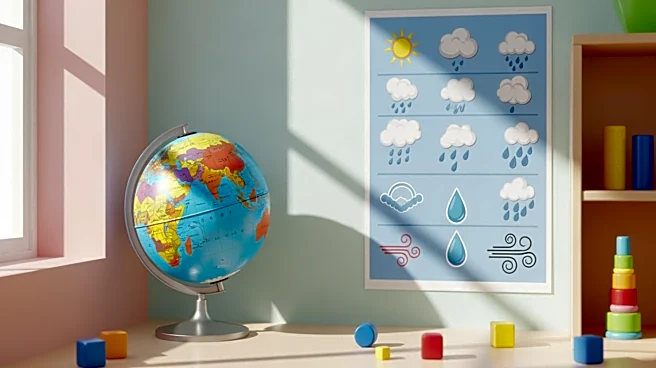
Educational toys cater to a wide range of learning styles, accommodating the diverse needs of students. Visual learners benefit from toys that incorporate colors, shapes, and patterns, while kinesthetic learners thrive with toys that involve physical manipulation and movement. By providing multiple avenues for learning, educational toys ensure that all students have the opportunity to succeed.
Moreover, educational toys encourage self-directed learning, allowing students to explore topics at their own pace. This autonomy fosters a sense of ownership over their education, motivating students to take initiative and pursue their interests. As a result, educational toys help create a more inclusive and personalized learning environment.
Bridging the Gap Between Home and School
Educational toys also play a crucial role in bridging the gap between home and school, extending learning beyond the classroom. Parents can use educational toys to reinforce concepts taught at school, providing additional practice and support. This continuity between home and school environments helps reinforce learning and ensures that students have a consistent educational experience.
Furthermore, educational toys encourage family involvement in the learning process, promoting collaboration and communication between parents and children. By engaging in educational play together, families can strengthen their relationships and support their children's academic growth.
In conclusion, educational toys have a profound impact on modern learning, enhancing educational practices and creating more dynamic and inclusive learning environments. By supporting diverse learning styles and bridging the gap between home and school, these toys play a vital role in shaping the future of education.