




The 1986 FIFA World Cup was a landmark event in the history of international football, held in Mexico from May 31 to June 29. This tournament was notable for several reasons, including its unique host selection process and the memorable performances that took place on the field. As the 13th edition of the FIFA World Cup, it brought together 24 teams from five confederations, showcasing the global appeal and competitive spirit of the sport.
Host Selection and Challenges
Originally,
Colombia was chosen to host the 1986 FIFA World Cup. However, due to economic difficulties, Colombia withdrew from hosting the event in November 1982. This led to a new selection process, with Mexico ultimately being chosen as the host country in May 1983. Mexico became the first nation to host the World Cup twice, having previously hosted the tournament in 1970. The decision to award the tournament to Mexico was not without controversy, as the United States and Canada also submitted bids. Despite these challenges, Mexico successfully organized the event, even overcoming a severe earthquake in September 1985 that raised concerns about the country's ability to host the tournament.
Memorable Matches and Performances
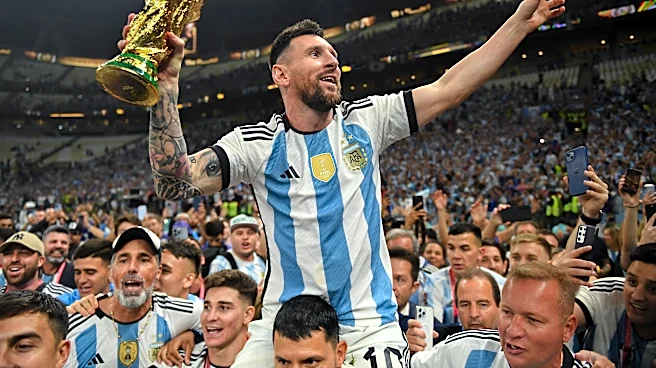
The 1986 World Cup featured several unforgettable matches and performances. Argentina, led by the legendary Diego Maradona, emerged as the tournament champions, defeating West Germany 3-2 in the final held at Mexico City's Estadio Azteca. Maradona's performance was particularly noteworthy, as he scored the infamous "Hand of God" goal and the "Goal of the Century" in the quarter-final match against England. These moments have become iconic in the history of the World Cup, highlighting Maradona's skill and influence on the game.
The tournament also saw the introduction of the Mexican wave, a spectator phenomenon that gained worldwide popularity. Additionally, the format of the competition changed from previous editions, with the final pair of matches in each group starting at the same time and the second round being played on a knockout basis rather than in groups.
Impact and Legacy
The 1986 FIFA World Cup left a lasting impact on the world of football. It was a tournament that showcased the talents of players like Maradona and introduced new elements to the game, such as the Mexican wave. The event also demonstrated Mexico's ability to host a major international sporting event, despite the challenges it faced. The tournament's success helped solidify the World Cup's status as a premier global sporting event, drawing attention from fans and media around the world.
In conclusion, the 1986 FIFA World Cup was a historic tournament that left an indelible mark on the sport of football. From its unique host selection process to the memorable matches and performances, it remains a significant chapter in the history of the World Cup.