
Squats are a cornerstone exercise in both powerlifting and general fitness routines, renowned for their ability to build strength and muscle mass. As one of the three main lifts in powerlifting, alongside the deadlift and bench press, squats play a crucial role in competitive strength sports. Additionally, they are a staple in recreational exercise programs, offering benefits that extend beyond muscle development.
Squats in Powerlifting
In powerlifting, squats are one of
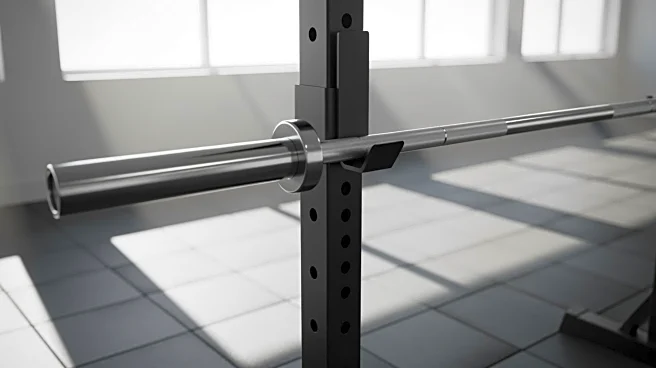
the three primary lifts, tested alongside the deadlift and bench press. The squat's importance in this sport lies in its ability to develop lower body strength and power. Competitors often perform squats with a barbell, using either a high bar or low bar position to maximize leverage and lift heavier weights.
The competition standard for squats requires the hip crease to fall below the knee, known as "parallel" depth. Achieving this depth ensures full muscle engagement and is critical for scoring in powerlifting meets. Squats are not only a test of strength but also of technique, as proper form is essential to prevent injury and optimize performance.
Squats in Recreational Fitness
Beyond powerlifting, squats are a fundamental exercise in many fitness routines. They are valued for their ability to increase muscle size and strength in the lower body, including the quadriceps, glutes, and hamstrings. Squats also engage the core muscles, contributing to overall stability and balance.
Recreational fitness programs often incorporate various squat variations to target different muscle groups and enhance workout diversity. Bodyweight squats, goblet squats, and machine-assisted squats are popular choices for individuals seeking to improve their fitness levels without the need for heavy weights. These variations can be tailored to suit different fitness goals, from building endurance to increasing explosive power.
The Broader Impact of Squats
Squats have a significant impact on overall health and fitness. They contribute to improved athletic performance, reduced injury risk, and enhanced movement competency. For young athletes, squats can boost performance as they mature, while for older adults, they can help maintain independence by ensuring mobility and strength.
Despite their benefits, squats have been subject to debate regarding their safety, particularly concerning the lumbar spine and knees. However, when performed with proper technique, squats are effective and safe, offering long-term benefits for both competitive athletes and fitness enthusiasts.