






Gore-Tex is a revolutionary fabric known for its waterproof and breathable properties, making it a staple in outdoor gear and apparel. Invented in 1969 by W. L. Gore & Associates, Gore-Tex has transformed the way we think about weather-resistant clothing. This article delves into the history of Gore-Tex, from its accidental discovery to its development into a versatile material used in various industries.
The Accidental Discovery
The story of Gore-Tex begins with Robert W.
Gore, who was researching ways to stretch polytetrafluoroethylene (PTFE) into pipe thread tape. In a moment of frustration, Gore applied a sudden yank to the heated PTFE rods, which unexpectedly stretched about 800%, forming a microporous structure that was about 70% air. This discovery led to the creation of expanded PTFE (ePTFE), the core material of Gore-Tex.
The invention was a breakthrough, as the microporous structure allowed water vapor to pass through while blocking liquid water. This property made Gore-Tex ideal for creating waterproof yet breathable fabrics. The company promptly applied for patents, securing its place as the inventor of this innovative material.
Commercialization and Expansion
Following its invention, Gore-Tex was introduced to the market under the trademark Gore-Tex. The fabric quickly gained popularity for its ability to keep wearers dry while allowing sweat to evaporate, making it perfect for outdoor activities. In 1976, Early Winters, Ltd. began selling Gore-Tex tents, and soon after, rainwear made from Gore-Tex hit the shelves.
The commercialization of Gore-Tex was a significant milestone, as it opened up new possibilities for outdoor gear manufacturers. The fabric's unique properties were tested rigorously, ensuring that products met high standards of performance. Gore-Tex's success in the market led to its use in a wide range of applications, from clothing to medical devices.
Technological Advancements
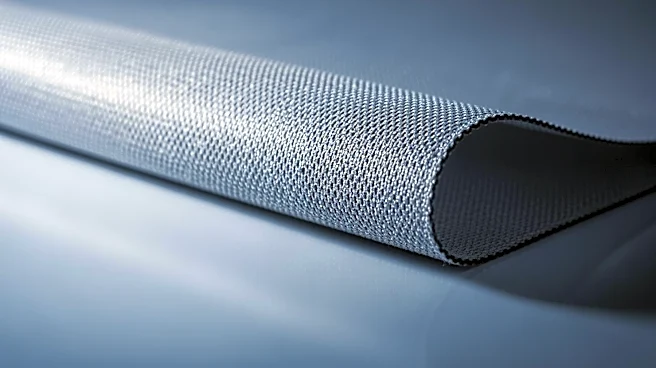
Over the years, Gore-Tex has undergone various technological advancements to enhance its performance. The fabric is typically placed between an outer fabric and an inner lining, allowing moisture to wick away from the body. A polymer coating further increases the fabric's ability to repel water, reducing the risk of dampness and heat loss.
Gore-Tex's development has not been without challenges. The company faced legal battles over patent infringements, but these did not hinder its progress. Today, Gore-Tex remains a leader in waterproof and breathable fabrics, with its technology continuing to evolve to meet the demands of modern consumers.