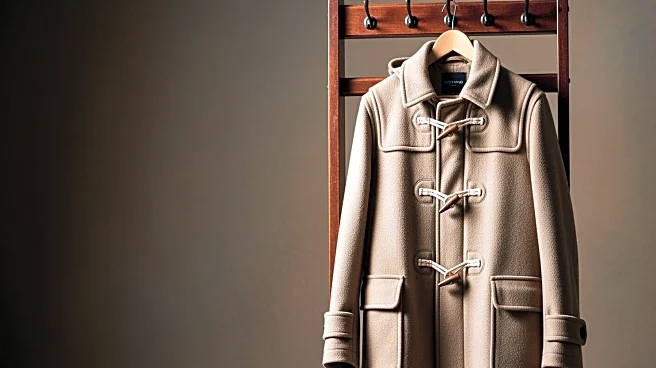




The duffel coat, known for its distinctive toggle fastenings and large hood, has a rich history that traces back to its origins in Duffel, Belgium. Initially crafted from a heavy woolen fabric, the coat was designed for practicality and warmth, making it a staple for military personnel. Over time, the duffel coat has transitioned from a utilitarian garment to a fashionable item, embraced by civilians worldwide.
Military Origins
The duffel coat's journey began in the
town of Duffel, Belgium, where the coarse, thick woolen cloth was first manufactured. This fabric was ideal for creating durable and warm garments, which led to its adoption by the military. By the 1890s, the British Royal Navy had incorporated the duffel coat into their standard issue, referring to it as the "convoy coat." The design featured large toggles and ropes, allowing sailors to fasten and unfasten the coat easily while wearing gloves in cold weather. The oversized hood was designed to accommodate a Naval cap, providing additional protection against harsh sea conditions.
During World War II, the duffel coat gained further prominence as it was widely issued to British troops. Field Marshal Sir Bernard Montgomery, a key figure in the war, was often seen wearing the coat, leading to its nickname "Monty coat" in some countries. After the war, surplus military duffel coats became available to the public, marking the beginning of its transition into civilian fashion.
Post-War Popularity
Following World War II, the duffel coat's availability as surplus stock made it accessible to the general public. In England, it became particularly popular among students, who appreciated its practicality and distinctive style. The coat's association with the military and its role in the war effort also lent it a sense of rugged authenticity and historical significance.
The duffel coat's design evolved over time, with post-war versions featuring shorter lengths and additional details like covering flaps on the patch pockets. The toggles, originally made from wood or horn, were sometimes replaced with imitation plastic buffalo horn in modern designs. Despite these changes, the coat retained its iconic features, such as the toggle fastenings and large hood.
A Fashion Icon
Today, the duffel coat is a beloved fashion item, often made from softer wool fabrics like Melton cloth. Its timeless design and practicality have ensured its continued popularity across generations. The coat's versatility allows it to be worn in various settings, from casual outings to more formal occasions.
In popular culture, the duffel coat has been immortalized by characters like Paddington Bear, who is often depicted wearing a blue version of the coat. This association with beloved cultural icons has further cemented the duffel coat's status as a fashion staple.
The duffel coat's journey from military garb to fashion icon is a testament to its enduring appeal and adaptability. Its rich history and distinctive design continue to capture the imagination of fashion enthusiasts around the world.