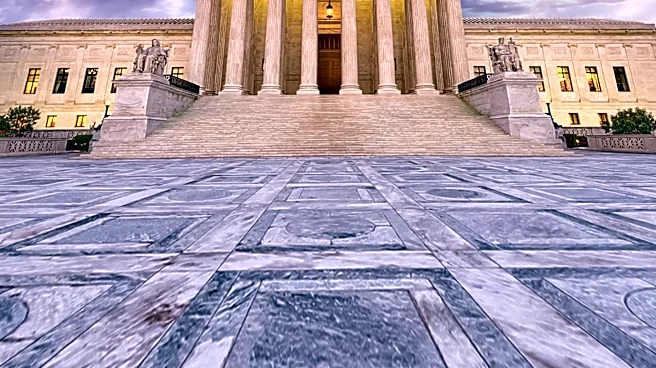









The 1966 Supreme Court decision in Miranda v. Arizona marked a significant turning point in American criminal law. By establishing the requirement for law enforcement to inform suspects of their constitutional rights before interrogation, the ruling fundamentally changed the landscape of police procedures and suspect rights. Known as the Miranda warning, this decision has had a profound impact on the criminal justice system, ensuring that suspects are
aware of their rights to remain silent and to consult with an attorney.
The Radical Shift in Legal Procedures
Before the Miranda decision, the Due Process Clause was traditionally understood to protect Americans from formal coercion, such as threats of contempt of court. However, the ruling in Miranda v. Arizona expanded this protection by requiring law enforcement to inform suspects of their rights under the Fifth Amendment. This was seen by many as a radical change in American criminal law, as it transformed the way police interrogations were conducted.
The introduction of the Miranda warning aimed to prevent self-incrimination and ensure that suspects were treated fairly during custodial interrogations. This procedural change was quickly adopted by law enforcement agencies across the country, becoming a routine part of police procedure. The practice of "Mirandizing" suspects has since become synonymous with protecting individual rights during police questioning.
The Legal and Social Implications
The Miranda decision had far-reaching implications for both the legal system and society at large. By mandating that suspects be informed of their rights, the ruling reinforced the importance of due process and the protection of individual liberties. It also highlighted the need for transparency and accountability in law enforcement practices, ensuring that suspects were aware of their rights and could make informed decisions during interrogations.
The decision also sparked debates about the balance between protecting individual rights and ensuring effective law enforcement. Critics argued that the requirement for Miranda warnings could hinder police investigations by discouraging suspects from confessing. Despite these concerns, the ruling has been upheld in subsequent cases, including Dickerson v. United States in 2000, which reaffirmed the constitutional basis of the Miranda warning.
The Enduring Legacy of Miranda v. Arizona
The legacy of Miranda v. Arizona continues to shape American criminal law today. The decision has become a cornerstone of the legal system, ensuring that suspects are aware of their rights and that their statements during police interrogations are made voluntarily. It serves as a reminder of the ongoing commitment to due process and the protection of individual liberties within the legal system.
The Miranda warning remains a vital tool for safeguarding suspects' rights, reflecting the enduring impact of the 1966 decision. As law enforcement practices continue to evolve, the principles established by Miranda v. Arizona remain central to ensuring fair and just treatment for all individuals within the criminal justice system.