


The Boise Assay Office stands as a testament to the rich mining history of Idaho. Located at 210 Main Street in Boise, Idaho, this historic building played a crucial role in the development of the region during the 19th century. As the first major federal government building in the Idaho Territory, the Assay Office was instrumental in supporting the booming gold mining industry of the time. This article delves into the historical significance of the Boise Assay Office and its
impact on Idaho's mining history.
The Need for an Assay Office in Idaho
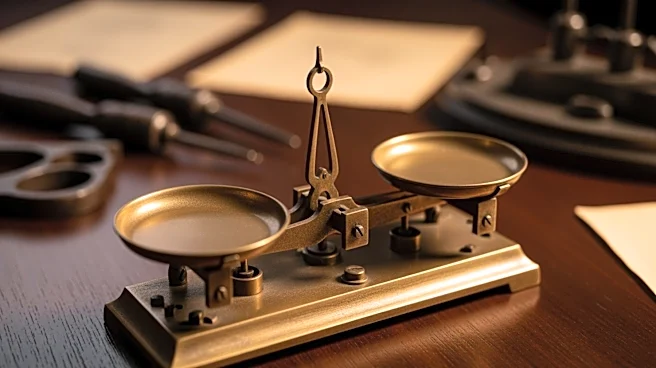
During the first half of the 1860s, Idaho's gold production was the third highest in the nation. However, the transportation of heavy ores to the nearest U.S. Mint in San Francisco posed significant challenges. The long distances and the weight of the ores made it difficult for miners to get their gold assayed and valued. This created a pressing demand for a local assaying office that could separate precious metals from impurities and determine their value. In response to this need, Congress appropriated $75,000 in 1869 to build an assay office in Boise, Idaho.
The site for the Assay Office was donated by Alexander Rossi, a prominent citizen of Boise, and construction began in 1870. Completed in 1871, the building was designed by architect Alfred B. Mullett and built by John R. McBride, the Chief Justice of Idaho. The establishment of the Boise Assay Office marked a significant milestone in Idaho's mining history, providing a much-needed service to the local mining community.
Operations and Impact on the Mining Industry
The Boise Assay Office began operations on March 2, 1872, with John R. McBride serving as the Superintendent and Alexander Rossi as the temporary Chief Assayer. Despite a slump in mining due to the depletion of surface mines, the Assay Office played a vital role in the region's mining industry. By 1887, the advent of the railroad and an influx of capital revitalized mining activities, allowing for deeper mining operations.
The Assay Office not only assayed gold but also began purchasing it on behalf of the U.S. government. By 1895, deposits exceeded one million dollars, and for the next eleven years, they averaged over one and a half million dollars annually. The Assay Office's operations significantly contributed to the economic development of Idaho, supporting the mining industry and facilitating the flow of gold in the region.
Legacy and Preservation
The Boise Assay Office closed in 1933, and the building was repurposed for use by the United States Forest Service. In 1961, it was declared a National Historic Landmark, recognizing its significant role in Idaho's development. In 1972, the building was transferred to the Idaho State Historical Society and now houses the State Historical Preservation Office and the Archaeological Survey of Idaho.
The Boise Assay Office remains a symbol of Idaho's rich mining heritage. Its historical significance and preservation efforts ensure that future generations can appreciate the pivotal role it played in the state's development during the gold rush era.