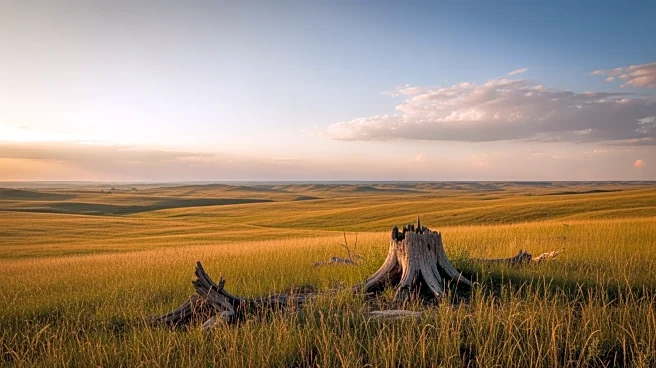

The Great Plains is a region known for its vast, open landscapes and unique ecological characteristics. Spanning across the central United States and into Canada, this area is home to a diverse range of
climates, plant life, and animal species. This article explores the natural history of the Great Plains, focusing on its climate, flora, and fauna.
Climate Characteristics
The climate of the Great Plains is characterized by its wide range of weather conditions. The region experiences very cold and harsh winters, contrasted by hot and humid summers. Wind speeds are often high, particularly during the winter months. The 100th meridian serves as a rough dividing line, separating areas that receive more than 20 inches of rainfall annually from those that receive less.
The Great Plains is periodically subjected to extended periods of drought, which can lead to devastating dust storms, especially in the High Plains. The southeastern portion of the Great Plains is known as Tornado Alley, due to its high frequency of tornadoes during the spring and summer months. These climatic conditions have a significant impact on the region's ecology and human activities.
Flora of the Great Plains
The Great Plains is part of the North American Prairies province, which extends from the Rocky Mountains to the Appalachians. The region's semi-arid climate and flat terrain support a variety of grassland ecosystems. The flora of the Great Plains includes mixed grass prairie, Tallgrass prairie, and short-grass prairie, each with its own unique plant species.
The grasslands of the Great Plains are adapted to the region's climate, with many species able to withstand drought and high winds. These grasslands provide essential habitats for a wide range of animal species and play a crucial role in the region's ecological balance.
Fauna of the Great Plains
The Great Plains is home to a diverse array of animal species, many of which are iconic to the region. The American bison, once roaming in immense herds, is strongly associated with the Great Plains. Other notable mammals include the pronghorn, black-tailed prairie dog, and swift fox. The region is also home to a variety of bird species, such as the lesser prairie-chicken and Harris's sparrow.
Reptiles and amphibians are also present in the Great Plains, with species like the prairie rattlesnake and Great Plains toad being common. The region's rivers and streams support a variety of fish species, contributing to the overall biodiversity of the area.
The natural history of the Great Plains is a testament to the region's ecological richness and diversity. Its climate, flora, and fauna are intricately connected, shaping the landscape and influencing the lives of those who inhabit it.