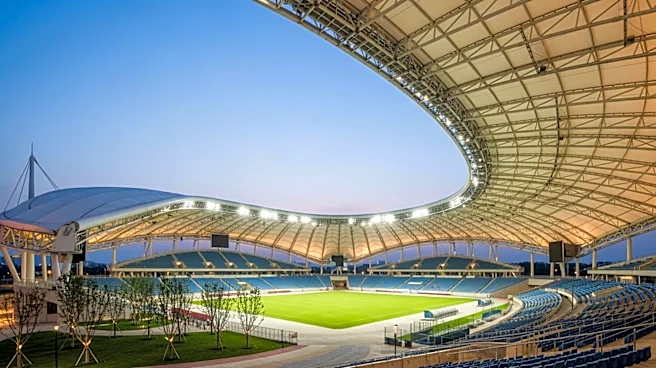



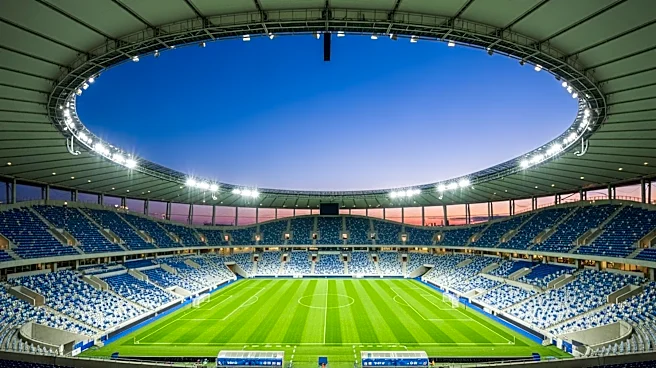
The Seoul World Cup Stadium, also known as Sangam Stadium, is a prominent venue in South Korea, primarily used for association football matches. Since its opening in 2001, the stadium has played a significant role in hosting major football events, including the 2002 FIFA World Cup. However, its influence extends beyond football, making it a versatile venue for various events.
A Football Legacy
The Seoul World Cup Stadium was constructed specifically for the 2002 FIFA
World Cup, a historic event that marked South Korea's emergence on the global football stage. During the tournament, the stadium hosted several key matches, including the opening match between France and Senegal, and the semi-final between Germany and South Korea. These matches were pivotal moments in the tournament, showcasing the stadium's capacity to host high-stakes international events.
In addition to the World Cup, the stadium has been a regular venue for other significant football events. It served as the main venue for the 2007 FIFA U-17 World Cup and hosted the first leg of the 2013 AFC Champions League Final. These events have solidified the stadium's reputation as a premier football venue in Asia.
Beyond Football: A Versatile Venue
While football is the primary focus, the Seoul World Cup Stadium is also a versatile venue for various other events. Its design and facilities make it suitable for hosting concerts, cultural events, and other large gatherings. The stadium's capacity of 66,704 seats, including VIP and press areas, allows it to accommodate a wide range of events, attracting diverse audiences.
The stadium's management by the Seoul Metropolitan Facilities Management Corporation ensures that it is well-maintained and equipped to handle different types of events. This versatility has made the stadium a central hub for entertainment and cultural activities in Seoul, contributing to its status as a landmark venue.
A Symbol of Modern Seoul
The Seoul World Cup Stadium is more than just a sports venue; it is a symbol of modern Seoul. Its unique architectural design, which incorporates traditional Korean elements, reflects the city's blend of tradition and modernity. The stadium's role in hosting major events has also contributed to Seoul's reputation as a vibrant and dynamic city.
In conclusion, the Seoul World Cup Stadium is a multifaceted venue that plays a crucial role in both the sports and cultural landscapes of South Korea. Its ability to host a wide range of events makes it an essential part of Seoul's identity, attracting visitors from around the world.