





Blushing is a fascinating phenomenon that combines both physiological and psychological elements. It is an involuntary reddening of the face, often triggered by emotional stress such as embarrassment, shyness, or romantic stimulation. While it is a common experience, the mechanisms behind blushing are complex and intriguing. This article delves into the science of blushing, examining its causes and effects, and exploring the psychological theories
that attempt to explain why we blush.
Physiological Mechanisms
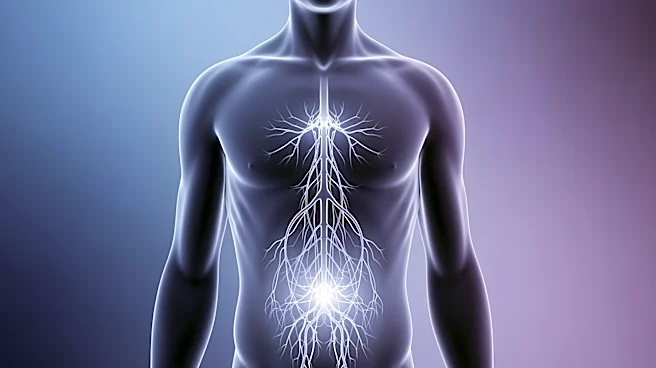
Blushing occurs when the capillaries in the face dilate, increasing blood flow to the skin. This process is primarily controlled by the autonomic nervous system, which responds to emotional stimuli. The blush region typically includes the cheeks, forehead, ears, neck, and upper chest. The facial skin is unique in its structure, with more capillary loops and wider blood vessels than other areas of the body, making the blush more visible.
Research has shown that facial veins have special vasodilation mechanisms, including beta-adrenoceptors that can exert a dilator effect. This mechanism is thought to be involved in emotional blushing. Studies using pharmacological blocking experiments have demonstrated that beta-adrenergic blockade can decrease blushing, although additional vasodilator mechanisms are likely involved.
Psychological Theories
Charles Darwin described blushing as "the most peculiar and most human of all expressions." Several psychological theories have been proposed to explain why we blush. One theory suggests that blushing serves as a social signal, communicating emotions such as shame or embarrassment to others. This involuntary response can indicate that a person recognizes a social faux pas and wishes to rectify it.
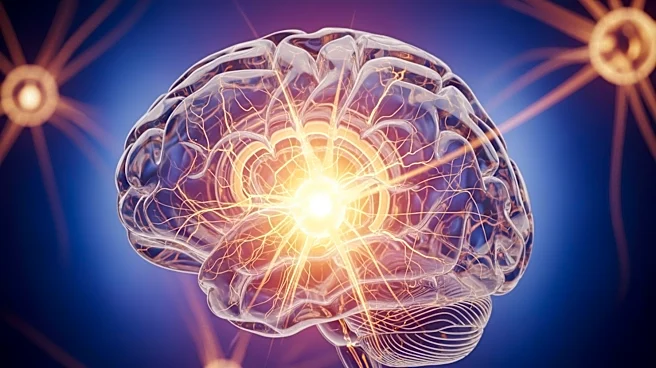
Another theory posits that blushing is linked to the fight-or-flight response, manifesting when neither confrontation nor retreat is possible. This physiological impact can be seen as a way to cope with social anxiety or stress. Blushing has also been associated with activation in specific brain regions, such as the cerebellum and the left paracentral lobe.
Social Implications
Blushing can have significant social implications, affecting how individuals are perceived by others. While it can be a source of embarrassment, it also serves as a powerful signal of sincerity and modesty. The involuntary nature of blushing enhances its value as a social cue, as it cannot be easily controlled or faked.
For those who experience severe blushing, various techniques can help reduce its occurrence, including cognitive-behavioral therapy and, in extreme cases, surgical interventions like endoscopic thoracic sympathectomy. Despite its challenges, blushing remains an intriguing aspect of human behavior, reflecting the complex interplay between our emotions and physiological responses.