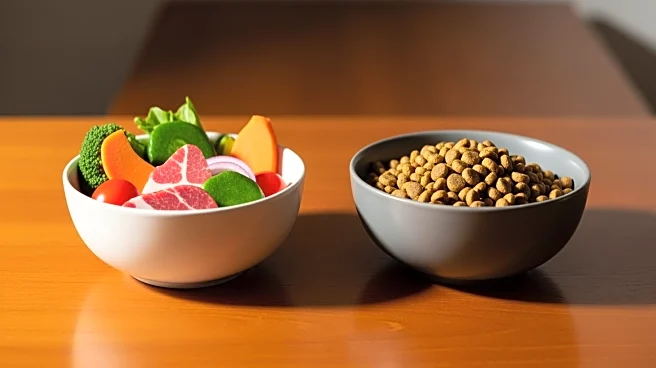








Raw feeding has become a topic of debate among pet owners and veterinarians alike. Proponents argue that feeding pets uncooked meat, bones, and organs is more natural and beneficial, while critics warn of the potential health risks and lack of scientific support. This article explores the arguments on both sides of the raw feeding debate, highlighting the key points of contention.
Arguments in Favor of Raw Feeding
Supporters of raw feeding believe that this diet allows pets to connect
with their wild ancestry. They argue that a diet consisting of uncooked meat and organs is more natural and closely resembles what animals would eat in the wild. This perspective is rooted in the belief that pets thrive on a diet that mimics their natural eating habits, which includes raw, unprocessed foods.
Additionally, proponents claim that raw feeding can lead to improved health outcomes for pets. They suggest that a raw diet can enhance coat condition, increase energy levels, and reduce the risk of certain health issues. Some pet owners report positive changes in their pets after switching to a raw diet, which has contributed to the growing popularity of this feeding practice.
Concerns and Criticisms
Despite the enthusiasm for raw feeding, there are significant concerns about its safety and nutritional adequacy. Veterinary associations, such as the American Veterinary Medical Association, have issued warnings about the potential health risks associated with raw feeding. These risks include foodborne illnesses, zoonosis, and nutritional imbalances.
Foodborne illnesses are a major concern, as uncooked meat can contain harmful bacteria that pose a threat to both pets and humans. Zoonosis, the transmission of diseases from animals to humans, is another risk that cannot be overlooked. Furthermore, raw diets may lack essential nutrients, leading to deficiencies that can impact a pet's health. Critics argue that a complete and balanced diet is crucial for pets, and raw feeding may not meet these nutritional requirements.
Navigating the Debate
The debate over raw feeding is complex, with passionate arguments on both sides. Pet owners considering this feeding practice should weigh the potential benefits against the risks and consult with a veterinarian. It is important to ensure that pets receive a diet that meets their nutritional needs while minimizing health risks.
Ultimately, the decision to pursue raw feeding should be made with careful consideration of the available evidence and expert advice. As the raw feeding movement continues to grow, ongoing research and dialogue will be essential in understanding its impact on pet health and well-being.