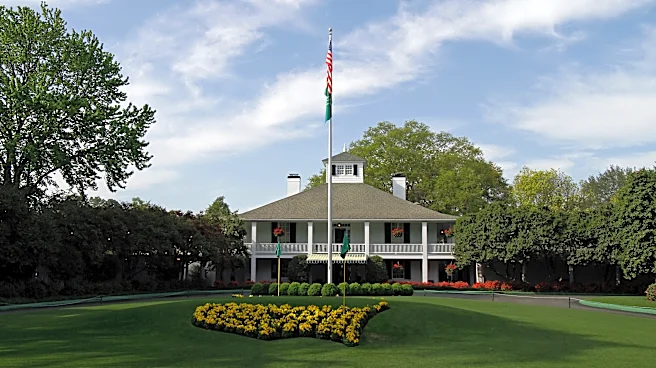

The 1952 Masters Tournament, held at the prestigious Augusta National Golf Club in Georgia, marked a significant moment in golf history. This event saw Sam Snead clinch his second Masters title, a victory
that solidified his status as one of the sport's greats. The tournament was characterized by challenging weather conditions, with strong winds and cool temperatures testing the skills of all participants.
Sam Snead's Path to Victory
Sam Snead's performance in the 1952 Masters was nothing short of remarkable. Entering the final two days of the tournament, Snead faced adverse weather conditions that could have easily derailed his efforts. However, his skill and determination shone through as he maintained his lead, ultimately finishing four strokes ahead of his closest competitor, Jack Burke Jr. This victory was not just another win for Snead; it was the sixth of his seven major titles, underscoring his prowess on the golf course.
Snead's ability to navigate the challenging Augusta National course, especially under the pressure of the final rounds, demonstrated his exceptional talent. His final score of 286, two under par, was a testament to his strategic play and mental fortitude. This win added to his legacy, as he would go on to secure one more Masters title in his illustrious career.
The Role of Weather in the Tournament
The 1952 Masters was notably impacted by the weather, with strong winds and cool temperatures presenting additional challenges for the players. These conditions were particularly pronounced during the final two days, making it difficult for many competitors to maintain their form. Despite these hurdles, Snead's experience and adaptability allowed him to persevere where others faltered.
The weather not only tested the players' physical abilities but also their mental resilience. For Snead, overcoming these conditions was a crucial part of his victory. His ability to adjust his strategy and maintain focus in the face of adversity was a key factor in his success. This aspect of the tournament highlighted the importance of adaptability and mental strength in professional golf.
The Legacy of the 1952 Masters
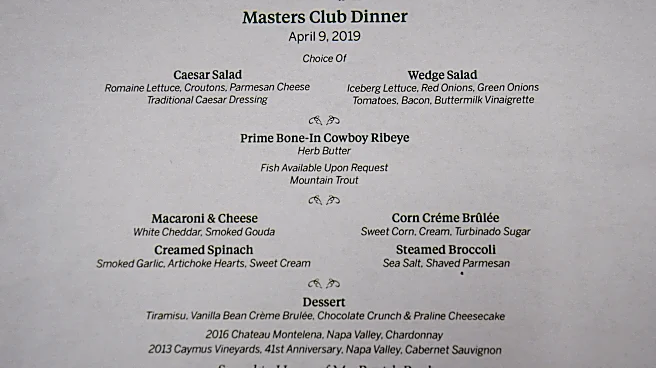
The 1952 Masters Tournament is remembered not only for Snead's victory but also for its role in shaping the traditions of the event. This year marked the first Masters Club dinner, hosted by defending champion Ben Hogan. This gathering of past champions has since become a cherished tradition, adding to the rich history of the Masters.
Snead's triumph in 1952 is a significant chapter in the history of the Masters Tournament. It exemplifies the blend of skill, strategy, and resilience required to succeed at Augusta National. The tournament's legacy continues to influence the world of golf, serving as a benchmark for excellence and a source of inspiration for future generations of golfers.