




Speech-to-text reporters, also known as captioners, play a crucial role in making spoken language accessible to a wider audience. By converting spoken words into written text, they provide essential services for individuals who are deaf or hard of hearing, language learners, and those with auditory processing disabilities. This article delves into the methods used by speech-to-text reporters and their impact on accessibility.
Methods of Speech-to-Text Reporting
Speech-to-text reporters
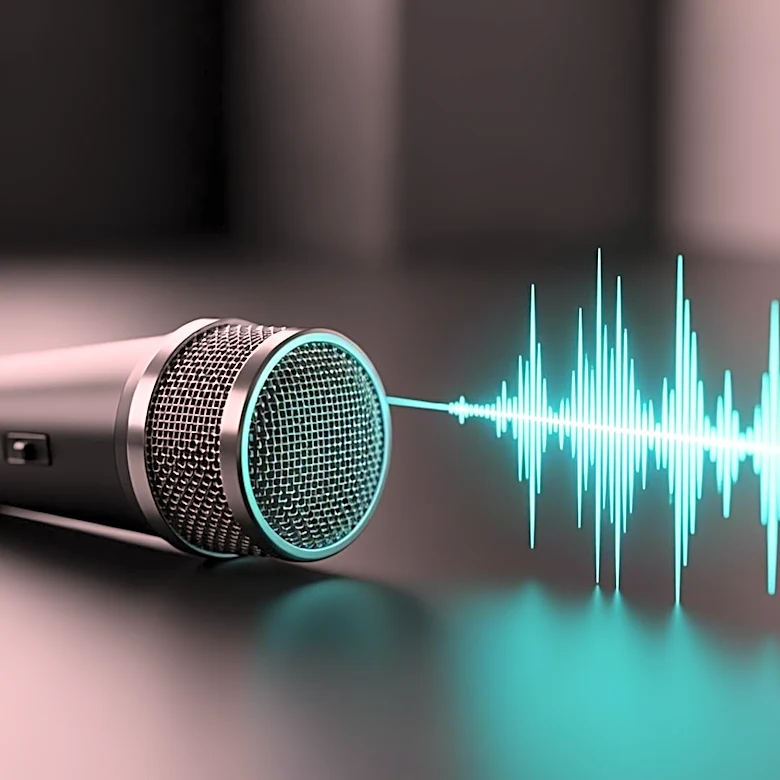
employ various methods to transcribe spoken language into text. One common approach is voice writing, where the reporter echoes spoken language into a stenomask or voice silencer. This device is equipped with microphones and voice-dampening materials, allowing the reporter to speak without being overheard. The spoken words are then converted into text by a computer's speech recognition engine. This text can be streamed over the internet, used for subtitling, or displayed directly to end-users.
Another method involves the use of stenography, specifically palantype and stenotype systems. These systems utilize chorded keyboards, where multiple keys are pressed simultaneously to represent syllables, words, or phrases. This method allows for rapid transcription of spoken language into text, making it a popular choice among speech-to-text reporters.
The Impact on Accessibility
The work of speech-to-text reporters significantly enhances accessibility for various groups. For individuals who are deaf or hard of hearing, having access to real-time text transcriptions of spoken language can be invaluable. It allows them to participate more fully in conversations, meetings, and events that they might otherwise miss out on.
Language learners also benefit from speech-to-text services. By reading along with spoken language, they can improve their understanding and fluency in a new language. Additionally, people with auditory processing disabilities can use these services to better comprehend spoken information, as the written text provides a visual aid that can be easier to process.
Challenges and Considerations
Despite the benefits, speech-to-text reporting is not without its challenges. Errors can occur, particularly when the software fails to distinguish word breaks in the syllable stream, leading to mondegreen errors in closed captions. Additionally, the accuracy of the transcription can be affected by the clarity of the speaker's voice and the quality of the audio input.
Speech-to-text reporters must also be adept at handling various types of information, such as laughter or applause, which are typically shared inside brackets. This requires a keen ear and quick reflexes to ensure that the transcriptions are both accurate and comprehensive.
In conclusion, speech-to-text reporters are vital in bridging the gap between spoken language and written text, providing accessibility to those who need it most. Their work not only supports individuals with hearing impairments but also aids language learners and those with auditory processing challenges, making communication more inclusive for all.